She has three autoimmune diagnoses and six doctors. None of them talk to each other. She has a rheumatologist, an endocrinologist, a gastroenterologist, a primary care physician, and a stack of prescriptions—and she’s come to a nutrition coach because she wants to know what she can do for herself.
That client is common. Autoimmune diseases collectively affect an estimated 8 percent of the U.S. population, according to NIH estimates cited in AFPA’s autoimmune curriculum, and they affect women more than twice as often as men. People living with them frequently describe delayed diagnoses, providers who dismissed their symptoms, frequent appointments, multiple co-occurring conditions, and energy that rises and falls without warning. Nutrition can help. But being useful to this client means being honest about where it helps and where it doesn’t.
Where Nutrition Helps
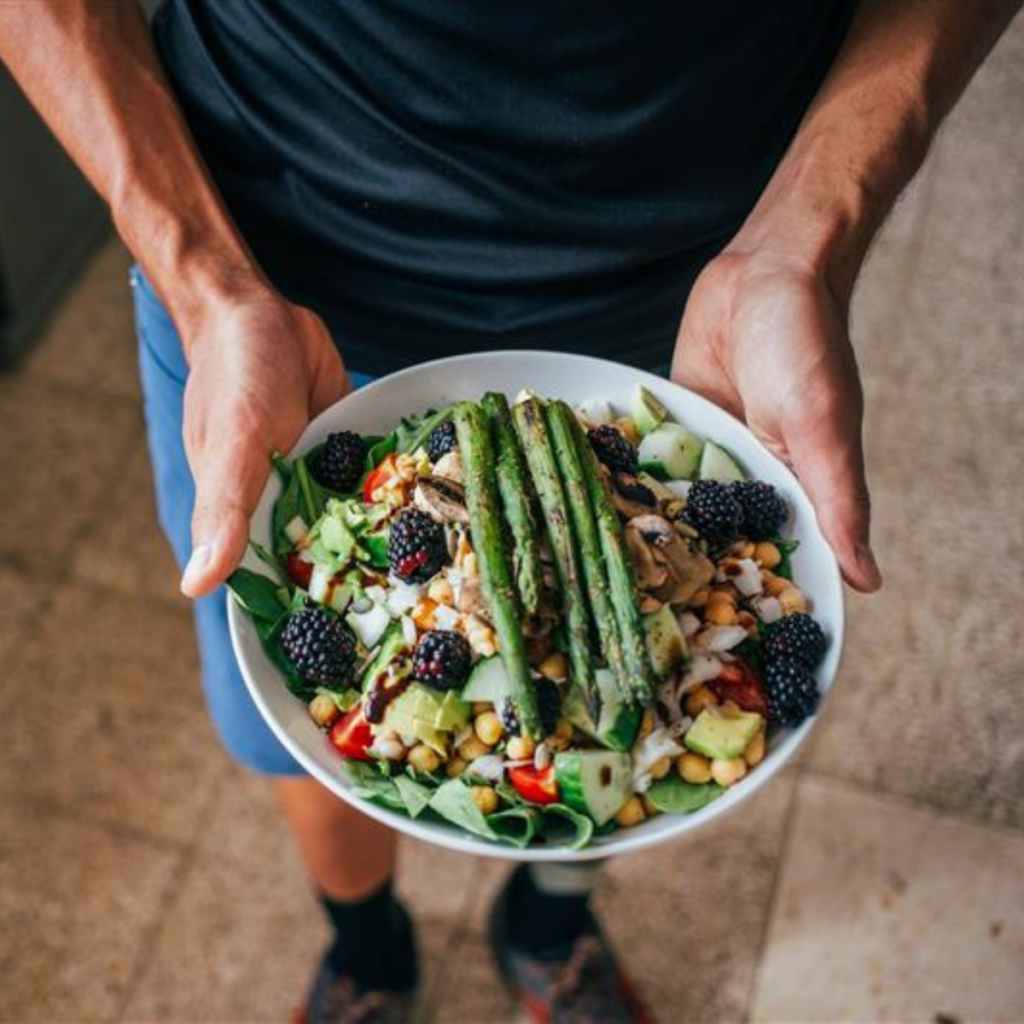
- Nutrient density and diversity. Across the dietary approaches studied for autoimmune conditions, a common thread is that the helpful approaches tend to be higher in nutrient density and diversity, include adequate protein, and supply more micronutrients. “Eating the rainbow” isn’t a slogan here—it’s a practical, low-risk starting point.
- Anti-inflammatory eating patterns. Patterns like the Mediterranean diet have been associated in research with outcomes such as reduced joint swelling and pain and increased gut microbiota diversity.
- Structured protocols for some people. The autoimmune protocol (AIP) is an elimination-style approach with an elimination phase and a reintroduction phase. Studies summarized in AFPA’s Autoimmune Holistic Nutrition Specialist Certification course associate it with improved quality of life and reduced symptoms in inflammatory bowel disease.
- Lifestyle foundations. Sleep, stress management, movement, community, and time in nature are all part of AFPA’s autoimmune curriculum because they influence how clients feel day to day.
Where Nutrition Doesn’t Help, or Needs a Careful Hand
- It isn’t a cure or a replacement for treatment. The coach’s role is not to diagnose or treat autoimmune disease. Language that implies diagnosing, treating, curing, or preventing illness is off-limits.
- The evidence isn’t universal. There’s supporting evidence for specific diets in some conditions, but it isn’t definitive, and no single protocol works across every autoimmune disease.
- “Immune-boosting” can backfire. Some herbs and supplements stimulate parts of the immune system that are already overactive in autoimmunity, and some foods interact with medications (e.g., grapefruit’s effect on drug metabolism is a classic example).
- Doing everything at once overwhelms. An all-or-nothing, fast-paced plan can be too much for a client already managing symptoms and appointments.
One case study in AFPA’s autoimmune course makes the supplement point concrete: A client with Hashimoto’s thyroiditis buys an “immune power” blend containing echinacea, astragalus, lemon balm, and willow bark after reading a health-food-store pamphlet. The right response isn’t to endorse it or dismiss it—it’s to explain that some of those ingredients may affect his autoimmunity and that he should review the product with a licensed provider before taking it.
Many autoimmune clients have been dismissed or let down, so the most helpful thing I can do is be honest about what food can do, rather than promise relief through a complicated diet or supplement. Realistic expectations build more trust than any quick fix.
Where Coaches Add the Most Value
For many autoimmune clients, the most valuable thing a coach offers isn’t a protocol, it’s coordination and pace. That means validating experiences that others may have dismissed, letting the client set priorities, starting with one manageable change instead of an overhaul, expecting symptom severity to fluctuate, and working in tandem with the client’s care team rather than around it. For the client with six doctors, a coach who helps her connect what she’s hearing into one sustainable daily routine may be the first person on her team focused on how the client actually lives.
Learn to support autoimmune clients within scope: AFPA Autoimmune Holistic Nutrition Specialist Certification
References:
- AFPA. (2022). Plant-Based Nutrition Specialist Certification, Module 5: Plant-Based Functional Foods & Supplements.
- AFPA. (2023-a). Autoimmune Holistic Nutrition Specialist Certification, Module I: Introduction & Welcome.
- AFPA. (2023-b). Statistics about autoimmune disease. Autoimmune Holistic Nutrition Specialist Certification, Module I: Introduction & Welcome, Unit 5.
- AFPA. (2023-c). Autoimmune Holistic Nutrition Specialist Certification, Module V: Holistic Nutritional Approaches & Strategies.
- AFPA. (2023-d). Reference sheet of therapeutic diets and protocols. Gut Health Nutrition Specialist Certificate, Module 5.
- Angum, F., Khan, T., Kaler, J., Siddiqui, L., & Hussain, A. (2020). The prevalence of autoimmune disorders in women: A narrative review. Cureus, 12(5), e8094. https://doi.org/10.7759/cureus.8094
- National Institute of Allergy and Infectious Diseases. (n.d.). Autoimmune diseases. Retrieved November 19, 2026, from https://www.niaid.nih.gov/diseases-conditions/autoimmune-diseases
Ready to Specialize in Autoimmune Nutrition?
AFPA’s Autoimmune Holistic Nutrition Specialist Certification is an online, self-paced program with 6 modules, 3 case studies and dozens of downloadable handouts and reference guides covering the 20–30 most common autoimmune diseases. Finish in six months or less and gain the skills to help clients manage autoimmune conditions with a holistic, nutrition-based approach.