Last updated on May 21, 2025
Why Nutrition Matters for Brain Health
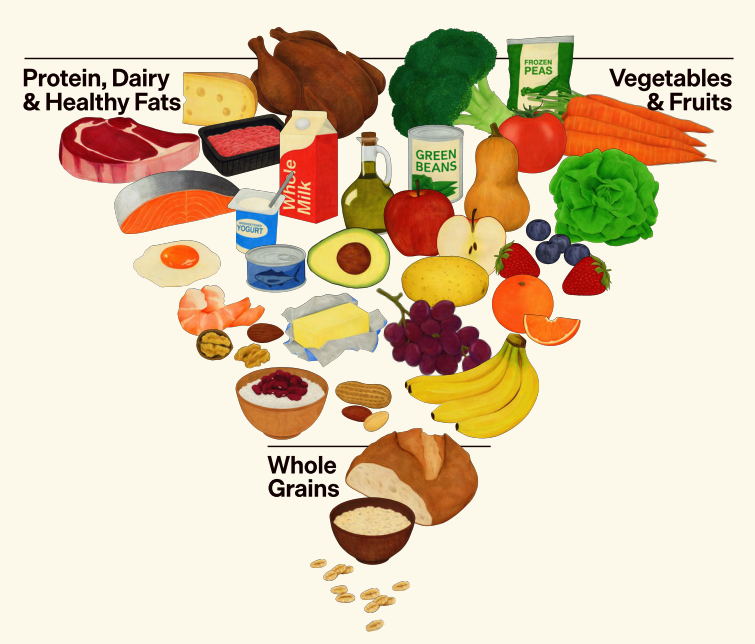
We often associate healthy eating with physical benefits—weight loss, energy, and cardiovascular health. But the brain, your most energy-hungry organ, is deeply influenced by what you eat. Nearly 20% of the calories you consume are used by your brain, even at rest. Plus, research from Harvard Medical School highlights that diets rich in fruits, vegetables, whole grains, and healthy fats—especially omega-3 fatty acids—are consistently linked to better brain function and lower risk of cognitive decline. That means nutrition plays a vital role in cognition, memory, learning, and even emotional regulation and mental health. If you’re a holistic nutritionist or nutrition coach, you’re in a unique position to educate clients on the link between nutrition and brain health. Here are 9 super healthy and amazing foods that are going to give an ultimate boost to your brain power.
1. Broccoli: A Cruciferous Cognitive Powerhouse
Broccoli is widely praised for its antioxidant content, but its specific impact on brain health is remarkable. It’s rich in sulforaphane, a compound shown to support the brain’s natural detoxification process and protect against neuroinflammation. Broccoli is also an excellent source of vitamin K, which plays a key role in memory and cognitive performance. In addition to this, a study published in the journal “Frontiers in Aging Neuroscience” suggested that higher intake of cruciferous vegetables like broccoli was associated with slower cognitive decline among aging adults.
2. Walnuts: Small Nut, Big Brain Benefits
Walnuts are the only nuts significantly high in alpha-linolenic acid (ALA), a plant-based omega-3 essential fatty acid that supports brain structure and function. ALA improves blood flow and reduces inflammation, both of which are crucial for cognitive health. In a clinical trial published in the “Journal of Nutrition, Health & Aging,” researchers found that adults who consumed walnuts regularly had higher scores on cognitive tests, including memory, concentration, and processing speed.
3. Blueberries: Nature’s Brain-Protective Berry
Blueberries are antioxidant-rich, particularly in anthocyanins—compounds shown to reduce oxidative stress and inflammation, which are key contributors to age-related cognitive decline. Regular consumption of blueberries has been associated with improved memory, faster learning, and sharper decision-making. One study from the USDA Human Nutrition Research Center on Aging found that daily blueberry supplementation improved memory in older adults and slowed cognitive aging by 2.5 years.
4. Dark Chocolate: Focus with Flavonoids
Good news for chocolate lovers—dark chocolate (at least 70% cacao) is packed with flavonoids, caffeine, and antioxidants that improve brain function. Flavonoids boost blood flow to the brain and stimulate neurogenesis, the growth of new neurons. A study published in “Frontiers in Nutrition” found that participants who consumed dark chocolate before cognitive tasks performed significantly better in terms of attention, reaction time, and memory recall. What a great reason to nibble on a piece of dark chocolate at work or school!
5. Fatty Fish: Omega-3s for Mental Agility
Fatty fish like salmon, trout, and sardines are rich in omega-3 fatty acids, particularly DHA (docosahexaenoic acid), which is a building block of the brain. DHA promotes communication between brain cells and has been linked to a lower risk of dementia, depression, and attention deficits. A systematic review in “Nutrients” concluded that omega-3 fatty acid supplementation had a positive effect on working memory, executive function, and verbal learning, especially in individuals with low dietary intake of seafood.
6. Avocados: Fat That Feeds Your Focus
Once vilified for their fat content, avocados are now celebrated as one of the healthiest brain foods. They contain monounsaturated fats that improve blood flow and enhance absorption of fat-soluble nutrients like vitamin E, another antioxidant linked to cognitive health. Avocados also contain lutein—a carotenoid stored in the brain—that has been positively associated with enhanced visual and verbal memory, according to research from the University of Illinois.
7. Tomatoes: Antioxidant Armor Against Aging
Tomatoes are an abundant source of lycopene, a powerful antioxidant known for its neuroprotective properties. Lycopene helps reduce oxidative damage in the brain, which is a major contributor to conditions like Alzheimer’s and other types of dementia. “Scientific Reports” published a study that demonstrated that lycopene reduced inflammation and DNA damage in brain cells, potentially slowing cognitive deterioration in aging populations.
8. Green Tea: The Calm Concentration Booster
Green tea is rich in both caffeine and the amino acid L-theanine. Together, these compounds have a synergistic effect: caffeine sharpens alertness, while L-theanine promotes relaxation and sustained focus without drowsiness. Research in “Nutrients” found that participants who consumed green tea showed improved working memory and task-switching abilities, thanks to its unique influence on brain wave activity.
9. Eggs: Choline and B-Vitamins for Neurotransmitters
Eggs are brain superstars thanks to their high levels of choline, which is used to produce acetylcholine, a neurotransmitter that supports memory and mental clarity. They’re also rich in B vitamins like B6 and B12, which help reduce homocysteine levels—an amino acid linked to cognitive decline. A recent article from The Washington Post emphasized that most Americans don’t get enough choline in their diets, despite its essential role in brain development and long-term cognitive health.
Eating for a Smarter Tomorrow
Your brain is your most valuable asset. From managing emotions to making decisions and solving problems, its performance is affected every day by what you choose to eat. Integrating these nine nutrient-dense foods into your regular diet can help support cognitive performance, enhance memory, and protect against age-related decline.
To get the most out of your brain-boosting food choices:
- Eat a variety of colorful fruits and vegetables every day.
- Choose whole, unprocessed foods over ultra-processed snacks.
- Stay hydrated—your brain is 75% water!
- Pair nutrition with regular physical activity and adequate sleep for overall brain health.
Food is one of the most powerful tools we have to nourish our minds as well as our bodies. Whether you’re a student preparing for exams, a professional seeking focus, or simply someone aiming to age with grace, your grocery cart can be your greatest ally in boosting brain power.

Become an Expert Nutrition Coach at Your Own Pace
Download your free guide now.