

An All-New Learning Experience for Holistic Nutrition Coaches
Updated curriculum plus practical coaching tools, designed to help you support real clients with confidence.
AFPA’s Holistic Nutrition Coach Certification blends the science of nutrition with the art of coaching to help you guide real, lasting change. You’ll learn from expert registered dietitians and board-certified health coaches through an evidence-based, whole-person framework that goes far beyond diet alone.
With an AFPA Holistic Nutrition Coach Certification, you will:
- Gain practical tools to launch or grow your coaching career with confidence.
- Apply evidence-based nutrition strategies rooted in holistic health principles.
- Master behavior change and motivational interviewing techniques to drive real client results.
- Build cultural competence and sustainability awareness into your coaching approach.
- Learn to evaluate research and debunk nutrition misinformation with scientific literacy.

Accredited & Nationally Recognized
Approved by NBHWC, ANMAB, AADP, FHT, and more

Learn From the Best
Taught by registered dietitians and board-certified health coaches

Job-Ready From Day One
117+ client forms, templates, and coaching tools included

Flexible & Fast
100% online, self-paced, complete in under 6 months
The Advantage of Becoming a Holistic Nutrition Coach

As a Holistic Nutrition Coach, you can practice with confidence and clarity, guiding clients through a science-based and whole-person approach to wellness. This title gives you flexibility to work nationwide, credibility grounded in evidence-based training, and the skills to support lasting transformation through nutrition and lifestyle change.
Your advantage:
- Freedom to practice ethically and confidently within your legal scope across the U.S.
- A holistic lens that connects nutrition science with mindfulness, behavior change, and sustainable habits.
- Growing demand for coaches who can bridge the gap between information and real-life results.
AFPA Holistic Nutrition Framework
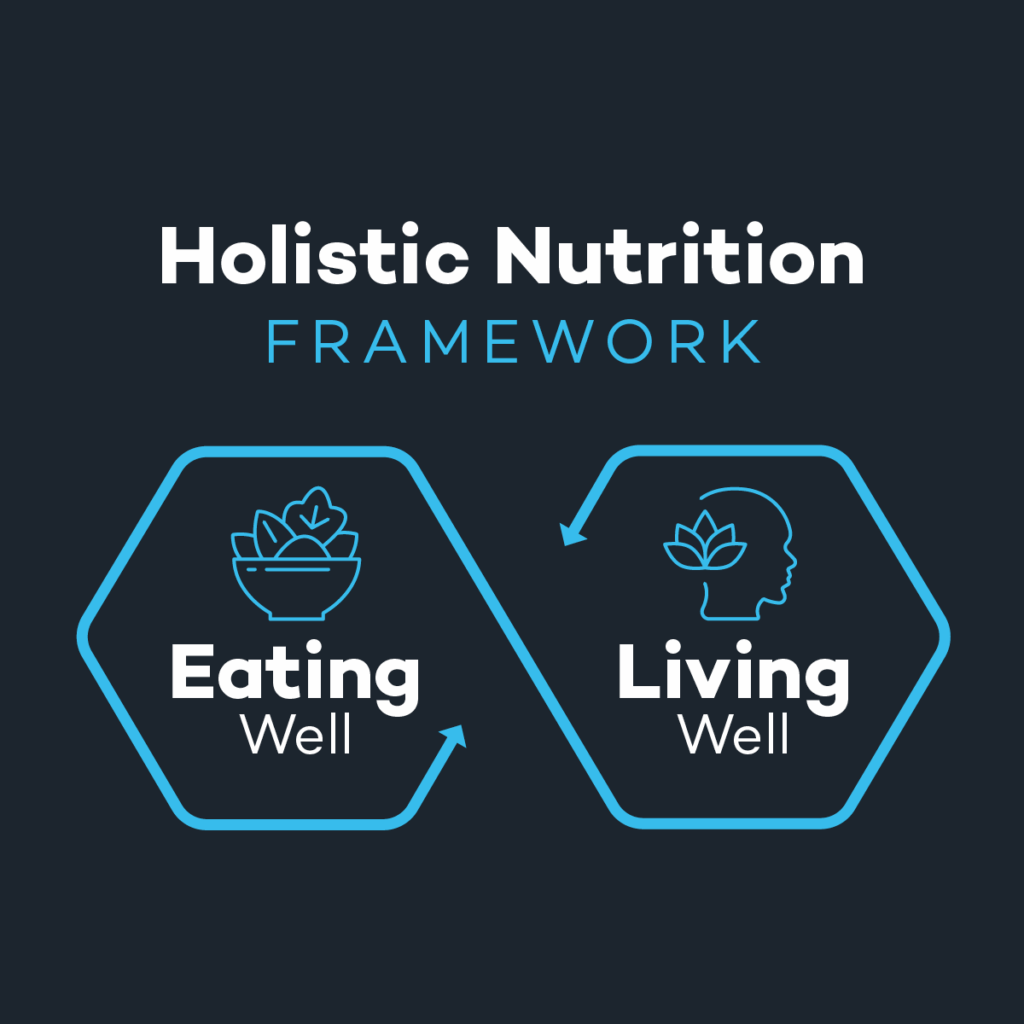
At the core of this certification is the AFPA Holistic Nutrition Framework, a model that connects eating well with living well to create lasting, whole-person health. Rather than focusing only on what’s on the plate, this framework weaves together evidence-based nutrition, mindful habits, and sustainable lifestyle choices that support overall wellness.
Through this integrated approach, you’ll learn how to:
- Coach clients to build balanced, nourishing eating patterns that work for real life.
- Connect daily nutrition habits with energy, mood, and overall well-being.
- Guide behavior change through mindfulness, purpose, and enjoyment.
- Create personalized strategies that honor culture, sustainability, and individuality.
The result? A coaching philosophy that transforms not just how people eat, but how they live, helping them find health, balance, and fulfillment that lasts.

“This certification has boosted my credibility, allowing me to reach a broader audience and grow my business.”
“On a personal level, it deepened my understanding of how holistic approaches can transform health and well-being. Overall, it has inspired me to continue evolving both professionally and personally in the field of holistic health.”
— Rima Hanhan, AFPA Certified Holistic Nutrition Coach
What Your Certification Course Enrollment Includes
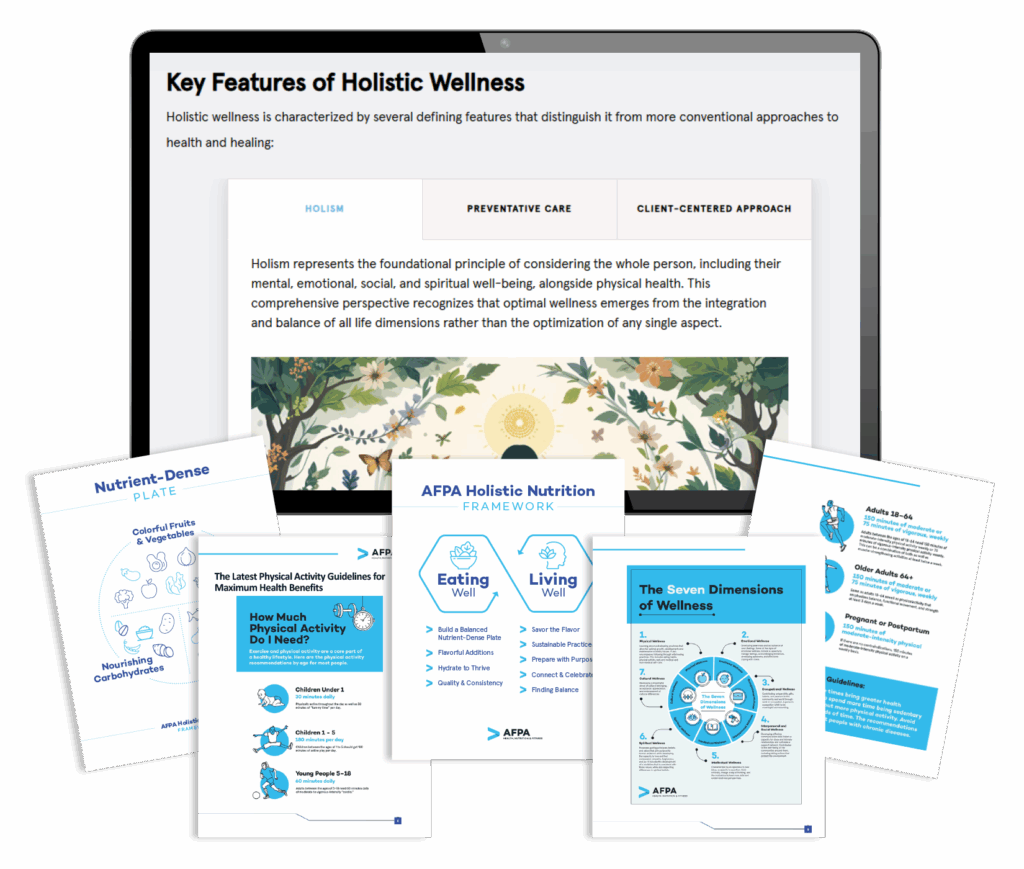
This online certification course will provide you with all of the knowledge, core skills, confidence, and tools that you’ll need to begin your journey as a Certified Holistic Nutrition Coach. Not only will you learn about the fundamentals of holistic nutrition, but you’ll also learn how to apply that knowledge with confidence and impact.
You’ll develop the skills to educate on the most common nutrition concerns, navigate diverse dietary needs, and coach clients toward lasting lifestyle changes. With practical tools and hands-on experience opportunities throughout the program, you’ll be ready to step into your role as a trusted expert and guide in holistic nutrition.
- Access to the online learning platform
- 18+ hours of on-demand video instruction, plus additional interactive content
- 117 handouts to use for reference and in nutrition coaching sessions
- Self-study assignments and exercises to support your learning
- Practice coaching sessions where you can sharpen your skills and nutritional knowledge
- Holistic Nutrition Coach Career Action Plan Guide
- Comprehensive guides on carbohydrate classification, recommended foods and portion servings, understanding food labels, ingredient swaps and cooking oils, and much more
- Coaching and lifestyle management forms
- The most up-to-date research information and coaching strategies
- Simulated coaching session videos
- A capstone project focused on putting your knowledge into practice with real-world application
- Graduates gain access to our private online community exclusively for alumni
A Credential You Can Stand Behind
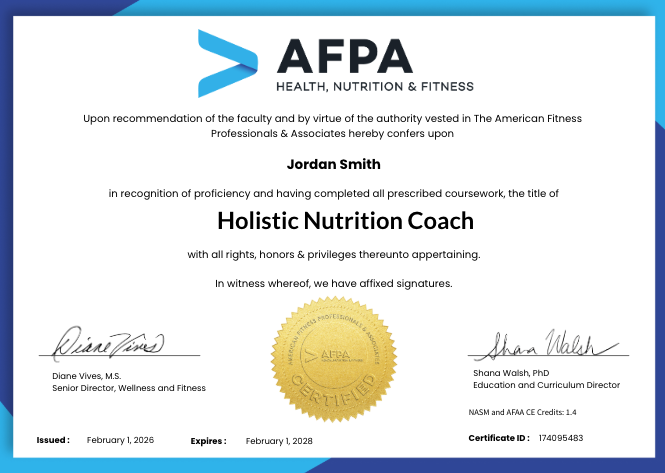
When you graduate, you’ll receive your AFPA certification through Accredible. It’s proof of your training and a credential you can share with prospective employers and clients.
What Can I Expect From the Course?

- 100% Online Course: No textbooks or other materials required
- Self-Study: Work through the program when it’s convenient for you
- Complete in Less than 6 Months: Many students finish much faster
- Instant Access: Get immediate access to your online learning platform once you complete your purchase
- Online Final Exam: Take your multiple choice, open-note final exam from home
- Earn Your Holistic Nutrition Coach Certification from AFPA
“I highly recommend the AFPA Holistic Nutrition Coach Certification. The course content was very detailed, informative, and easy to follow along.”
It was very organized and well-done. I loved all the handouts and useful resources that were given. Excellent course!!
— Sandra Pond, AFPA Certified Holistic Nutrition Coach
This Program is For…

Currently practicing nutrition professionals and RDNs who want to holistically support their clients

Health and wellness coaches who want to grow their nutrition expertise

Personal trainers and fitness professionals who want to help more clients by expanding their skills and offerings

Individuals who want to nourish their personal health or support loved ones via nutrition education
A Look Inside the Curriculum
This Holistic Nutrition Coach Certification empowers you to guide clients toward lasting well-being through a whole-person approach. You’ll learn to integrate evidence-based nutrition principles with emotional, social, and behavioral health strategies to support positive lifestyle change. The course emphasizes critical thinking, cultural awareness, and ethical practice while preparing you to translate nutrition science into credible, real-world guidance. You’ll also gain the business foundations to confidently launch and grow a professional coaching career in holistic health.
Section 1: Introduction to Holistic Wellness and Nutrition Practice Answer
Module 1: The Current State of Health and Nutrition
- Summarize the epidemiological transition from infectious to chronic diseases.
- Distinguish between modifiable and non-modifiable disease risk factors.
- Recognize the characteristics of healthy and unhealthy dietary patterns for disease prevention.
- Apply holistic health definitions to nutrition coaching practice.
Module 2: Wellness and the Role of Holistic Nutrition
- Describe how historical wellness traditions inform contemporary holistic nutrition approaches.
- Identify the seven dimensions of wellness and their relationship to nutrition.
- Implement whole-person approach when facilitating client wellness journeys in nutrition coaching.
Module 3: Nutrition as a Profession and Scope of Practice
- Compare diverse roles and credentials within the nutrition professional landscape.
- Differentiate between activities within and outside the holistic nutrition coaching scope of practice.
- Utilize healthcare ethics principles when navigating professional decisions.
- Demonstrate best practices for maintaining professional boundaries and referring clients to appropriate healthcare providers.
Section 2: Nutrition Science: Fueling, Healing, and Balance Answer
Module 4: Body Systems, Cells, and the Digestive Process
- Describe cellular structure and function as the foundation for nutrient utilization.
- Map the digestive process from mechanical breakdown to nutrient absorption sites.
- Evaluate factors that influence digestive function and nutrient bioavailability.
- Connect digestive health to overall wellness through system integration principles.
Module 5: Holistic Nutrition Foundations
- Distinguish between macronutrients and micronutrients regarding their functions and energy contributions.
- Understand the synergistic relationships between nutrients in whole foods versus isolated supplements.
- Assess signs of nutritional balance and imbalance.
- Implement the whole foods first philosophy when supporting client nutrition strategies.
Module 6: Carbohydrates
- Differentiate between simple and complex carbohydrates based on structure and function.
- Explain the digestion and metabolism of carbohydrates, including hormonal regulation by insulin and glucagon.
- Describe how carbohydrate quality and glycemic response influence energy, mood, and long-term health.
- Identify nutrient-dense sources of carbohydrates that support digestive and cognitive function.
Module 7: Protein
- Describe protein structure and amino acid classification, including essential and non-essential amino acids.
- Explain the processes of protein digestion, synthesis, and breakdown in relation to energy and tissue maintenance.
- Discuss the roles of protein in healing, immunity, muscle function, and satiety.
- Compare animal and plant-based protein sources, including quality, digestibility, and balance.
Module 8: Lipids/Fats
- Differentiate between types of lipids and the physiological roles of each.
- Explain fat digestion, metabolism, and regulation under varying energy and exercise conditions.
- Discuss how different fatty acids (saturated, unsaturated, trans, and essential) affect inflammation and cardiovascular health.
- Identify practical strategies for balancing fat intake to support brain, hormone, and heart health.
Module 9: Vitamins
- Identify water-soluble and fat-soluble vitamins and describe how solubility influences absorption and storage.
- Summarize the major functions and food sources of key vitamins that support metabolism, immunity, and growth.
- Identify symptoms and health risks associated with vitamin deficiencies and toxicities.
- Apply a food-first approach to ensure adequate vitamin intake through diverse, balanced eating patterns.
Module 10: Minerals
- Distinguish between macrominerals and trace minerals based on their physiological roles and daily requirements.
- Explain how minerals contribute to bone health, metabolism, fluid balance, and cellular communication.
- Recognize common mineral deficiencies, their symptoms, and populations at higher risk.
- Recommend food-based strategies to promote optimal mineral intake and prevent toxicity from over-supplementation.
Module 11: Water and Fluid Balance
- Describe the functions of water in the body and its distribution across fluid compartments.
- Explain how water balance is regulated through intake, output, and hormonal control.
- Identify signs and consequences of dehydration and overhydration.
- Estimate daily fluid needs and discuss factors that influence hydration, such as activity, environment, and health status.
Module 12: Energy Transformation, Balance, and Metabolism
- Explain the basic principles of metabolism and the body’s primary energy systems.
- Describe the role of ATP in energy transfer and how carbohydrates, fats, and proteins contribute to energy production.
- Analyze factors influencing metabolic rate and total daily energy expenditure.
- Apply the concept of energy balance to client scenarios to support realistic and sustainable weight management strategies.
Section 3: From Evidence to Everyday Nutrition Practice Answer
Module 13: Scientific Literacy and Evidence-Based Nutrition
- Explain the hierarchy of scientific research study designs.
- Identify hallmarks of credible versus poor-quality nutrition information sources.
- Recognize common research misinterpretations and conflicts of interest that can distort findings.
- Apply evidence-based reasoning to evaluate nutrition claims and translate findings into safe, client-relevant guidance.
Module 14: Dietary Guidelines and Nutrient Density
- Summarize the purpose and common themes of major global dietary guidelines.
- Describe how the AFPA Holistic Nutrition Framework integrates evidence-based dietary principles with individualized coaching.
- Explain how nutrient density influences dietary quality, health outcomes, and satiety.
- Apply the concepts of Eating Well and Living Well to help clients design balanced, flexible, and sustainable eating patterns.
Module 15: Nutraceuticals, Functional Foods, and Botanicals
- Differentiate among nutraceuticals, functional foods, and botanicals and describe their roles in health promotion.
- Explain the physiological functions of key phytochemical classes (flavonoids, carotenoids, organosulfides, terpenoids, stilbenes).
- Evaluate the evidence and safety considerations associated with bioactive compounds in whole foods versus isolated forms.
- Apply a holistic, food-first approach to educate clients about incorporating functional foods and botanicals safely within their lifestyle.
Module 16: Supplementation
- Define dietary supplements and describe their regulatory status under the Dietary Supplement Health and Education Act (DSHEA).
- Identify common types of supplements (vitamins, minerals, omega-3s, probiotics, herbs) and the evidence supporting their use.
- Evaluate product quality and safety using third-party testing and reputable evidence-based resources.
- Apply ethical and scope-appropriate strategies for discussing supplementation with clients and supporting informed decisions.
Module 17: Evaluating Popular and Trending Diets
- Describe the principles, potential benefits, and risks associated with major diet trends (low-carb, intermittent fasting, plant-based, and elimination diets).
- Explain the relationship between major diet trends, calorie balance, and behavioral adherence.
- Evaluate trending diets through an evidence-based and client-centered lens.
- Demonstrate coaching strategies that promote autonomy, realistic expectations, and sustainable eating habits.
Section 4: Supporting Diverse Client Needs Answer
Module 18: Nutrition Across the Lifespan
- Describe how nutritional needs evolve across key life stages, including preconception, pregnancy, infancy, childhood, adolescence, adulthood, and older adulthood.
- Identify stage-specific nutrients and health priorities that support growth, maintenance, and prevention of chronic disease.
- Apply inclusive, evidence-informed coaching practices that address both universal nutrition principles and life stage–specific modifications.
Module 19: Nutrition for Weight Management
- Explain the components of energy balance and the physiological, behavioral, and environmental factors influencing body weight.
- Describe how diet quality, macronutrient composition, and lifestyle habits affect metabolism and long-term weight regulation.
- Apply weight-neutral, client-centered coaching approaches that emphasize sustainable behavior change, self-efficacy, and body respect.
- Identify the appropriate coaching scope related to weight management medications and referrals to qualified healthcare professionals.
- Utilize practical tools and strategies to support clients in meal planning, movement, and mindful eating practices.
Module 20: Nutrition for Physical Activity and Performance
- Explain how energy and nutrient requirements change with physical activity level, intensity, and duration.
- Describe the roles of carbohydrates, protein, fat, hydration, and electrolytes in supporting exercise performance and recovery.
- Apply principles of nutrient timing to optimize pre-, during-, and post-exercise fueling for various client goals.
- Evaluate the evidence and safety of common ergogenic aids and supplements while maintaining professional scope of practice.
- Support clients at different fitness levels through balanced, practical, and sustainable nutrition guidance.
Module 21: Recognizing and Understanding Disordered Eating
- Differentiate between eating disorders, disordered eating behaviors, and healthy eating patterns.
- Identify the physical, behavioral, and psychological warning signs associated with disordered eating.
- Describe the roles and responsibilities of holistic nutrition coaches in recognizing and referring clients to qualified professionals.
- Apply trauma-informed, nonjudgmental communication strategies to support clients while maintaining appropriate professional boundaries.
- Promote flexible, balanced, and body-positive nutrition messages that foster a healthy relationship with food and self.
Section 5: The Holistic Nutrition Coaching Process Answer
Module 22: Foundations of Behavior Change in Nutrition
- Describe key health behavior theories and models that inform nutrition-related change, including the Transtheoretical Model and Self-Determination Theory.
- Explain how intrinsic motivation, habit formation, and neuroplasticity influence lasting behavior change.
- Apply evidence-based strategies to help clients progress through stages of change and strengthen self-determined motivation.
- Identify opportunities to build supportive habits that align with clients’ values, goals, and readiness for change.
Module 23: Motivational Interviewing and Goal Setting
- Define Motivational Interviewing (MI) and describe the “Spirit of MI.”
- Apply the four MI processes—engaging, focusing, evoking, and planning—to facilitate client-centered conversations.
- Explain how to use the OARS skills (open-ended questions, affirmations, reflections, summaries) to strengthen rapport and evoke change talk.
- Integrate goal-setting frameworks such as SMART goals or “experiments” to translate motivation into action.
Module 24: Holistic Health Assessment and Client Monitoring
- Describe the key components of a comprehensive holistic assessment that integrates dietary, anthropometric, lifestyle, and readiness domains.
- Explain the purpose of an initial assessment and of ongoing progress monitoring to support sustainable habit development and goal achievement.
- Apply data collected from assessments to promote client ownership, self-reflection, and accountability.
Module 25: Culturally Affirming Coaching Conversations
- Define inclusive and culturally affirming coaching presence and explain its importance in effective client relationships.
- Recognize how cultural identity, lived experience, and social context influence food choices, wellness beliefs, and behavior change.
- Demonstrate skills and language that invite, honor, and affirm all aspects of client identity within coaching conversations.
- Apply practical strategies to address assumptions, reduce bias, and foster trust, belonging, and collaboration in diverse coaching contexts.
Section 6: Lifestyle Integration and Holistic Eating Practices Answer
Module 26: Understanding Food Labels
- Identify and interpret key components of food labels, including serving size, calories, and nutrient content.
- Explain the significance of % Daily Value and how it relates to nutrient needs and dietary guidelines.
- Recognize common types of health and nutrient claims, distinguishing between regulated and potentially misleading marketing terms.
- Encourage label literacy with clients as a foundation for building confidence and autonomy in everyday eating decisions.
Module 27: Adapting Recipes and Cooking techniques
- Describe the benefits of home cooking for health, self-efficacy, and sustainable habit change.
- Apply core principles of recipe modification to improve nutrient quality, flavor, and satisfaction.
- Select cooking methods that enhance nutrient retention and reduce unnecessary fat, sugar, and sodium.
- Integrate fiber-rich ingredients, global seasonings, and plant-based swaps to support balanced eating patterns.
- Support clients in developing meal planning, food prep, and cooking confidence through simple, flexible approaches.
Module 28: Seasonal, Local, and Sustainable Eating
- Explain the principles of sustainable food systems and their connection to health, community, and the environment.
- Describe the benefits of plant-forward, seasonal, and locally sourced eating patterns for both wellness and sustainability.
- Evaluate common misconceptions about organic foods and genetically modified organisms (GMOs).
- Identify practical strategies for reducing food waste and improving food purchasing and storage habits.
- Apply coaching approaches that help clients make small, achievable changes toward more sustainable food choices.
Module 29: Mindful and Intuitive Eating Practices
- Define mindful and intuitive eating and differentiate between the two approaches.
- Recognize physical, emotional, and environmental cues that influence hunger, fullness, and satisfaction.
- Apply coaching strategies to help clients build nonjudgmental awareness and reconnect with internal body cues.
- Discuss how spiritual, cultural, and community food traditions enrich holistic eating practices.
- Support clients in fostering a balanced, compassionate relationship with food that promotes long-term well-being.
Section 7: Building a Career in Holistic Nutrition Coaching Answer
Module 30: Setting up a Holistic Nutrition Coaching Business
- Describe the essential legal, financial, and structural foundations for launching a holistic nutrition coaching business.
- Identify key documents and policies that ensure client safety, privacy, and professional compliance.
- Explain the client onboarding process, from intake and informed consent to ongoing recordkeeping and confidentiality.
- Evaluate the role of AI and digital tools in improving operational efficiency while maintaining ethical practice standards.
- Apply business planning strategies that align with holistic values and long-term sustainability.
Module 31: Structuring Nutrition Programs and Services
- Design nutrition coaching programs and service models tailored to client goals, readiness, and engagement level.
- Identify an ideal client profile and niche that aligns with personal expertise, scope of practice, and business vision.
- Consider tiered service offerings and pricing strategies that balance accessibility, profitability, and value.
- Implement systems for client progress tracking, feedback collection, and program refinement.
- Apply ethical and client-centered practices to sustain long-term relationships and business growth.
Module 32: Advancing Your Career Through Continuing Education
- Assess personal strengths, interests, and growth opportunities within the holistic nutrition field.
- Explain the purpose and requirements of continuing education for certification renewal and professional advancement.
- Identify credible continuing education sources, professional organizations, and networking opportunities.
- Develop a personalized professional development plan with short- and long-term career goals.
- Apply lifelong learning and networking strategies to expand professional reach, credibility, and impact.
Section 8: Putting it All Together and Preparing for the Final Exam Answer
Module 33: Capstone Project
Module 34: Study Guide, Key Terms, and Practice Exam
Module 35: Final Exam
Learn From Registered Dietitians and Expert Coaches
Your instructors are industry leaders in nutrition and behavior change. Together, these registered dietitians, board-certified health coaches, and wellness educators with decades of experience bring the perfect balance of science, practice, and compassion to help you become a confident, effective coach.

Kellie Lunday, MS, RD, LD, NBC-HWC

Chris Mohr, PhD, RD
Lois Duke, MS, RD, CDCES
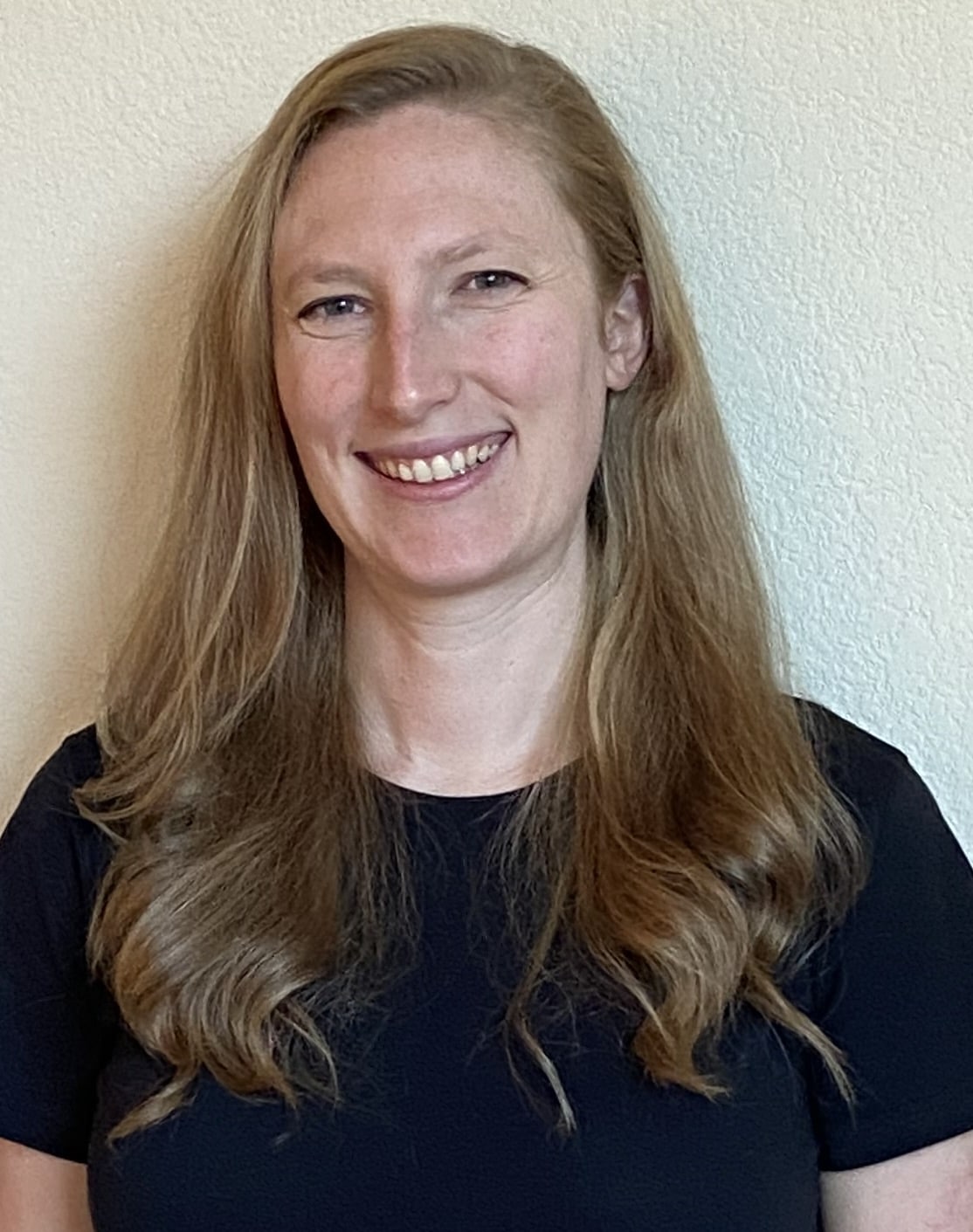
Alison Rahaeuser, MS, RD, CSSD

Ben Miller, MS, RD

Rachel Cirino, MS, RD, NBC-HWC

Eric Cox, MA, NBC-HWC

Shana Walsh, PhD, NBC-HWC, MCHES
Accreditation & Continuing Education
NBHWC Approved CE Course
CEA-100220-1
AFPA is recognized by the National Board for Health & Wellness Coaching (NBHWC) for 18 CEs upon completion of the Holistic Nutrition Coach Certification course.
The Holistic Nutrition Coach Certification course is approved by AFPA (American Fitness Professionals & Associates) for a total of 16 AFPA CECs.
The Holistic Nutrition Coach Certification course fully meets the American Naturopathic Medical Accreditation Board (ANMAB) accreditation board educational requirements. AFPA graduates are eligible to apply to become a Board Certified Holistic Health Care Practitioner through ANMAB.
- The AFPA Holistic Nutrition Coach Certification course curriculums fully meet the American Association of Drugless Practitioners (AADP) board educational requirements, making any AFPA nutrition graduate eligible to become a Board Certified Nutrition Professional
- Graduates of AFPA Holistic Nutrition Coach Certification course are eligible to apply for the American Natural Wellness Coach (ANWCB) or the American Association of Natural Wellness Practitioners (AANWP) board certification.
- The AFPA Holistic Nutrition Coach Certification course is internationally accredited by the Federation for Holistic Therapists (FHT).
- The AFPA Holistic Nutrition Coach Certification course is internationally accredited as an approved training provider by the International Practitioners of Holistic Medicine.
What Our Graduates Have to Say

The main thing I absolutely loved about this course was that it was completely self-paced, so I was able to do everything on my own schedule in just under 6 months. The other thing that I absolutely loved is that it really covered all aspects of holistic health (known as the 7 dimensions of wellness)—from physical, emotional, cultural, spiritual, occupational, social, and intellectual wellness.”

The way my life has changed after getting the certification is like a complete 180, honestly. I definitely could not have counseled people the way I do now without AFPA. I was surprised the most when I just realized really how much I was learning. I knew I was going to learn a lot, and that there were so many different curriculum topics, but at the end of it, I learned even so much more than I expected.”

I searched left and right for something that was accredited, affordable, and was really extensive. I found AFPA, which checked all those boxes and then some. I loved that they have been around for [so long]. It was great that the certification was flexible and I could still homeschool my kids while studying.”

AFPA feels like more of a family. I can always email or reach out if I have any questions and I get a response immediately. It’s a very caring organization. I’ve been certified with other organizations and that’s not always the case.”
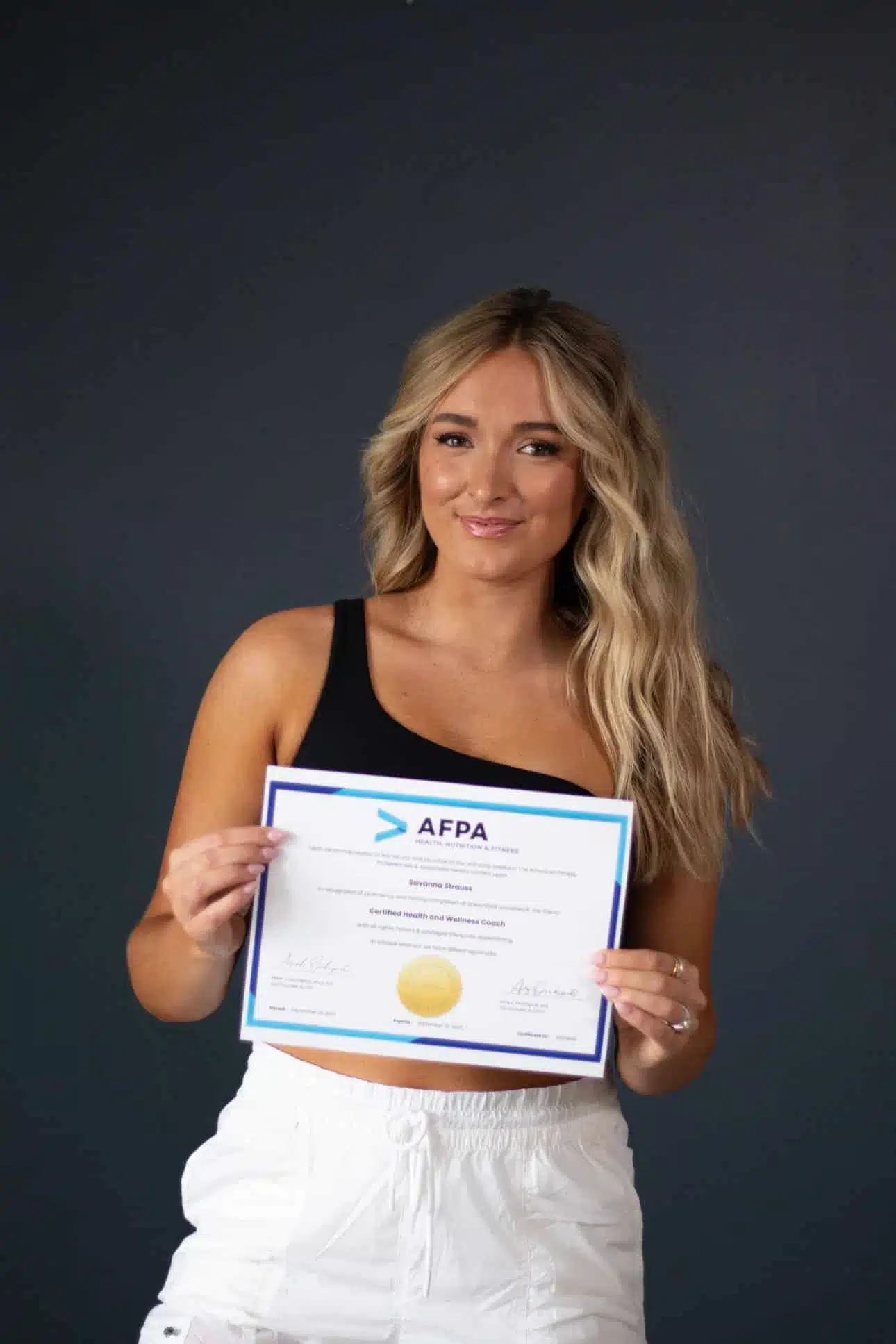
Becoming certified with AFPA has impacted my life in many ways. I have learned how to be a better coach for others and myself! I have been able to strengthen many relationships by having an education in health and nutrition and have been able to better my own lifestyle.”
 Verified owner
I just started. Your messages are excessive!
Verified ownerVerified ownerIt is a great course.
Verified ownerVerified ownerCompleting the AFPA Holistic Nutritionist Certification equips me with a variety of valuable skills, such as:
Nutritional Knowledge: Deep understanding of the principles of holistic nutrition, including macronutrients, micronutrients, and the impact of diet on overall health.
Dietary Assessment: Ability to conduct thorough dietary assessments and develop personalized nutrition plans for clients.
Counseling Skills: Proficiency in providing nutritional counseling and support, including motivational interviewing techniques to help clients achieve their health goals.
Meal Planning: Expertise in creating balanced meal plans that cater to individual needs, preferences, and health conditions.
I am very happy and satisfied with AFPA and The Certification Holistic Nutritionist.
FAQ
What are the qualifications to enroll in the Holistic Nutrition Coach Certification? Answer
To enroll in the Holistic Nutrition Coach Certification course, you must:
- Be at least 18 years of age.
- Have a solid understanding of the English language.
- Have access to a device (computer, tablet, or smartphone) with a reliable internet connection.
How long does it take to complete the Holistic Nutrition Coach Certification course? Answer
The Holistic Nutrition Coach Certification course is a self-directed, self-study program structured to be completed in six months or less.
Should you find yourself in need of more time, we offer the option to request a six-month extension for a fee of $75.
How soon can I begin this course? Answer
We have open enrollment for our Holistic Nutrition Coach Certification course, so you may enroll whenever you are ready. Shortly after completing your purchase, we will send you an email with information on how to access your online learning portal where you can begin your course right away.
Are textbooks included in my enrollment fee? Answer
This course is 100% online with no textbooks required.
What happens once I enroll in this nutrition coach certification course? Answer
Shortly after you place your order, you will receive access to our online learning platform. This user-friendly platform serves as your hub for accessing all course materials, lectures, resources, and assessments. This is also where you’ll complete your capstone project and link to your final exam.
Can I earn continuing education credits for completing the Holistic Nutrition Coach Certification course? Answer
The Holistic Nutrition Coach Certification course has a value of 16 continuing education credits (CECs) that count toward the renewal requirements of an existing AFPA certification. To qualify for CECs, you must successfully complete the certification course.
How many AFPA CECs is this course worth? Answer
The Holistic Nutrition Coach Certification course is worth 16 continuing education credits (CECs) that count toward the renewal requirements of an existing AFPA certification. To qualify for CECs, you must successfully complete the certification program.
Will I have support while I’m taking the course? Answer
Yes. You’ll have access to AFPA’s Education Specialists throughout your studies. If you have questions about course material, learning platform navigation, or need help staying on track, our team is here to support you as you progress.
What does “holistic” mean in this course? Answer
In this certification, “holistic” means looking at the whole person, not just isolated nutrients or dietary choices. You’ll learn how nutrition connects with lifestyle factors like stress, sleep, movement, mindset, and behavior change.
Our curriculum is grounded in evidence-based nutrition science, while also exploring how food choices, habits, and environment influence overall well-being. The goal is to prepare you to support clients comprehensively, without relying on trends, fads, or unsupported claims.
Does this course provide business training for nutrition coaching? Answer
The Building a Career in Holistic Nutrition Coaching section equips students with the practical skills needed to create a sustainable, ethically grounded holistic nutrition coaching practice. The section begins with the essentials of starting a business, including legal and financial foundations, client safety and privacy policies, and effective onboarding systems. Students also explore how AI and digital tools can support efficiency while upholding professional standards, helping them build a business structure that reflects holistic values and long-term vision.
The section then focuses on program design, niche development, and service models that engage and retain clients. Students consider pricing strategies, progress-tracking systems, and approaches that foster strong, client-centered relationships. The final module highlights continuing education and professional development, guiding students in creating a personalized plan for long-term growth. Together, these skills help holistic nutrition coaches build purposeful, adaptable careers with lasting impact.
What does the Capstone Project involve? Answer
This course includes a Capstone Project, which represents a culmination of your learning journey. This project is designed to provide a comprehensive, hands-on experience where you will apply the knowledge and skills acquired throughout the course. It is not just a test of your theoretical knowledge; it is a real-world application of your skills as a holistic nutrition coach. It integrates various aspects of the course, from understanding nutritional science and metabolism to appreciating the nuances of nutrition throughout different life stages and the importance of ethical practice. Through this project, you will demonstrate your ability to conduct nutritional assessments, set realistic goals, develop tailored nutrition plans, and adapt your approach based on individual needs and feedback.
What is the difference between a holistic nutrition coach and a registered dietitian? Answer
A holistic nutrition coach helps clients improve their well-being through balanced eating, lifestyle changes, and sustainable habits, focusing on the whole person rather than medical treatment. A registered dietitian or registered dietitian nutritionist nutritionist (RDN), on the other hand, is a licensed healthcare professional who must earn at least a master’s degree, complete supervised clinical training, and pass a national exam. RDNs can diagnose and treat nutrition-related medical conditions, while nutrition coaches provide education, guidance, and motivation for everyday healthy living.
Learn more about the scope of a nutrition coach and how you can support clients without providing Medical Nutrition Therapy.
What is the difference between a health coach and a holistic nutrition coach? Answer
Both health coaches and holistic nutrition coaches play essential roles in supporting individuals’ health and well-being, but there are notable differences in their focus and approaches.
A holistic nutrition coach specializes in the field of holistic nutrition, which emphasizes the interconnection of various aspects of wellness, including physical, emotional, occupational, interpersonal, intellectual, spiritual, and cultural wellness. Holistic nutrition coaches primarily focus on the power of nutrition and its impact on overall health. They are trained in understanding the relationship between food, nutrients, and the human body. With their knowledge of holistic nutrition principles, they provide clients with personalized guidance and strategies to optimize their health and well-being through a balanced and wholesome diet.
On the other hand, a health coach takes a more comprehensive approach to wellness. While nutrition is an essential component of their work, health coaches often address a broader range of lifestyle factors that contribute to overall health. They consider aspects such as stress management, exercise, sleep, relationships, and personal development. Health coaches aim to empower individuals to make positive changes in various areas of their lives and support them in achieving their overall wellness goals.
While holistic nutrition coaches focus primarily on nutrition and its impact on health, health coaches use their coaching skills to address multiple dimensions of well-being. Ultimately, both professionals can make a positive impact on individuals’ health.
What are the employment opportunities for a holistic nutrition coach? Answer
Many of our graduates create their own coaching businesses using their Holistic Nutrition Coach credentials. This route allows them to work with clients, either 1:1 or in a group setting, on their own terms. If you value freedom and flexibility, starting a business could be the right route for you. There are also many other ways to use your certification, including:
- Becoming a corporate wellness consultant or director
- Creating nutrition content
- Teaching your children healthy habits from an early age
- Facilitating cooking classes
- Writing a cookbook
- Leading nutrition workshops
- Volunteering at a food access non-profit
- Encouraging a partner who has been recently diagnosed with a chronic illness
- Supporting your body through marathon training
- Working as an in-house nutritionist at a naturopathic clinic
This list is by no means exhaustive. There are endless unique ways for a holistic nutrition coach to use their expertise.
How much do holistic nutrition coaches make? Answer
For holistic nutrition coaches, it’s not uncommon to charge $100-$150 per session or even as much as $200-$500 per session. According to Glassdoor.com, nutrition coaches can earn upwards of $85,000 per year doing what they love. The opportunities for health and wellness professionals are only increasing year over year.
The earning potential for holistic nutrition coaches can be influenced by various factors, including:
- Experience: As with any profession, experience plays a crucial role in determining earning potential. Holistic nutrition coaches who have established a solid reputation and gained extensive experience in the field may have the opportunity to command higher fees or salaries.
- Location: Geographic location can impact the demand and compensation for holistic nutrition coaches. Urban areas or regions with a higher cost of living may offer higher earning potential compared to rural areas.
- Education and Credentials: Holding advanced degrees, certifications, and credentials in holistic nutrition or related fields can enhance your earning potential.
- Employment Setting: Holistic nutrition coaches may work in various settings, including private practice, wellness centers, hospitals, corporate wellness programs, and more. The compensation structure can differ based on the setting. For instance, those in private practice may have more control over their rates and earning potential, while those employed by organizations may receive a salary or hourly wage.
- Clientele and Services: The type of clientele you serve and the range of services you offer can also impact your earnings. Targeting specific populations or specializing in niche areas such as sports nutrition, weight management, or therapeutic nutrition can lead to higher demand and potential for higher fees.
It’s important to note that building a successful practice or career as a holistic nutrition coach may take time and effort. Networking, marketing, and establishing a strong client base can contribute to long-term financial success.
What can a holistic nutrition coach help with? Answer
Holistic nutrition coaches are professionals who specialize in promoting health and well-being through a holistic approach to nutrition. They recognize the profound impact that nutrition has on overall health and focus on the interconnectedness of the mind, body, and spirit. While they cannot diagnose or treat specific diseases, they work in partnership with healthcare practitioners to support individuals in achieving optimal health. Here are some areas where a holistic nutritionist can provide guidance:
- Healthy Eating and Lifestyle: Holistic nutrition coaches can help individuals adopt healthy eating and lifestyle habits. They provide education on balanced nutrition and the importance of whole foods. They can guide clients in making informed choices about food and develop strategies for mindful eating.
- Nutrient Education: Holistic nutrition coaches have in-depth knowledge about the nutritional value of foods. They can educate individuals about essential nutrients, vitamins, and minerals and how they contribute to overall health. They may also provide information on the benefits of specific foods and the role they play in promoting wellness.
- Digestive Health: Holistic nutrition coaches can address common digestive issues such as bloating, gas, and indigestion. They may recommend dietary modifications and lifestyle practices to support optimal digestion and gut health. They can also provide guidance on identifying potential food sensitivities or intolerances.
- Energy and Vitality: Holistic nutrition coaches focus on enhancing energy levels and promoting overall vitality. They can help individuals identify lifestyle factors that may be impacting energy levels and offer dietary recommendations to support sustained energy throughout the day.
- General Wellness: Holistic nutrition coaches focus on promoting overall wellness and preventive health. They can provide general dietary recommendations to support optimal health and wellbeing.
- Collaboration with Healthcare Practitioners: Holistic nutrition coaches work in partnership with other healthcare professionals. They understand the importance of an integrated approach to healthcare and can collaborate with physicians, naturopaths, or other practitioners to support clients’ holistic wellness goals.
It’s important to note that holistic nutrition coaches do not replace the role of medical professionals. They provide guidance and education but cannot diagnose or treat specific diseases. They work alongside healthcare practitioners to complement and support the overall health and well-being of individuals.
Where do holistic nutrition coaches work? Answer
Holistic nutrition coaches are qualified professionals who possess expertise in holistic nutrition and play a crucial role in promoting health and wellness. With their in-depth knowledge of holistic nutrition principles, these professionals can find opportunities in various settings where they can apply their skills and make a positive impact on individuals’ overall health.
One common avenue for holistic nutrition coaches is private practice. Many certified nutrition coaches establish their own businesses, offering personalized nutrition coaching programs and consultations. Through one-on-one sessions, they provide clients with support in dealing with health issues, such as weight management, chronic diseases, and promoting overall wellness. Holistic nutrition coaches also work with clients to develop a holistic approach to nutrition, considering factors like mental health, physical health, and the use of nutritional supplements.
Holistic nutrition coaches can also be found working in wellness centers and integrative health clinics. These centers recognize the importance of a holistic approach to health and offer services that encompass nutrition, exercise, and other wellness concepts. Nutrition coaches collaborate with other healthcare professionals to provide comprehensive care and support to clients seeking a holistic approach to their well-being.
Additionally, nutrition coaches may work as part of a team of health care providers in medical settings. They can be employed in integrative health practices, where they work alongside medical doctors, nurses, and other practitioners. In this collaborative environment, holistic nutritionists contribute their expertise to support patients’ overall health by incorporating holistic nutrition principles into their treatment plans.
Nutrition coaches can also find opportunities in educational institutions, where they may teach holistic nutrition courses or work as instructors in holistic nutrition education programs. By sharing their knowledge and expertise, they contribute to the development of future holistic nutrition professionals and promote the integration of holistic nutrition into the field of nutrition and wellness.
Another area where certified holistic nutrition coaches may work is within the corporate sector. Many companies and organizations recognize the value of promoting health and wellness among their employees. Holistic nutrition coaches can be employed to provide wellness programs, conduct educational workshops, and offer guidance on creating a healthy work environment. By focusing on the well-being of employees, holistic nutritionists contribute to improving overall health, productivity, and job satisfaction.
It’s important to note that certified holistic nutrition coaches are not limited to traditional workplace settings. Many choose to forge their own paths and pursue unique opportunities based on their interests and passions. Some holistic nutrition coaches may specialize in specific areas such as sports nutrition, therapeutic nutrition, or holistic nutrition for specific life cycles. They may author books, create online programs, or offer consulting services to individuals or organizations seeking expertise in holistic nutrition.
Are payment plans available for this course? Answer
AFPA offers flexible, interest-free payment plans without credit checks or added fees.
Can I speak with an Enrollment Specialist before signing up? Answer
Please email info@afpafitness.com, call 800.494.7782, or book an appointment below to speak with an Enrollment Specialist.
Flexible Payment Plans with 0% Interest — No Credit Check Required!
With AFPA’s in-house payment plans, you can pay as you go with no interest and no credit check. Spread the cost of your certification over time with the flexibility to choose a plan that works best for your budget.



I just started. Your messages are excessive!
It is a great course.