

Get Certified in Holistic Health and Nutrition Coaching
The AFPA Holistic Health Coach Certification is a comprehensive, career-ready bundle certification that combines our core holistic nutrition coach training with professional health coaching training so you can support clients’ health from every angle.
You’ll learn how to guide behavior change, build sustainable habits, and apply evidence-based nutrition principles without being boxed into a single niche.
Ideal for Students Planning to Pursue National Board Certification through NBHWC
The Health & Wellness Coach Certification course meets the National Board for Health & Wellness Coaching (NBHWC) asynchronous training requirements.

Affordable, Comprehensive Training in Health Coaching and Nutrition
The online Holistic Health Coach Certification Program combines the AFPA Health & Wellness Coach Certification and AFPA Holistic Nutrition Coach Certification.
Health and Wellness Coach Certification

Regular Price: $1049
Holistic Nutrition Coach Certification

Regular Price: $1099
Get both certification courses at a special discounted rate.
The Health & Wellness Coach Certification curriculum includes:
- What to expect as a health coach: The purpose of health coaching and scope of practice
- How to work with clients: How to structure your sessions and programs, the different coaching processes, and how to elicit behavior change
- The holistic coaching approach: How health is not only specifically dependent on diet and exercise but also on supportive relationships, stress levels, sleep, meaningful work, work/life balance, spirituality, and more
- How to operate your business: Understand ethics and legal considerations of health coaching
Most students complete this course in 4 months or less.
NBHWC Exam–Ready Curriculum
Together, the Health and Wellness Coach Certification and the Advanced Health Coaching Intensive [Live] (bundled together as the Certified Master Health and Wellness Coach Program) meet the education standards set by the NBHWC.
The Holistic Nutrition Coach Certification curriculum includes:
- The principles of holistic nutrition and wellness and how they integrate physical, emotional, and social dimensions of health.
- Evidence-based nutrition science
- Training to distinguish credible, research-based guidance from misinformation.
- Nutrition and behavior change strategies to meet the needs of diverse clients across life stages, activity levels, and cultural contexts.
- Client-centered behavior change training using Motivational Interviewing, goal setting, and health behavior theory.
- Nutrition coaching business training
Most students complete this course in 3 months or less.
Review the Full Health and Wellness Coach Curriculum
Module 1 – Introduction to Health Coaching Answer
- What is health coaching?
- Foundations of coaching practice
- Scope of practice for health coaches
- Credentialing in health coaching
- Comparing health coaching to health education
- Comparing health coaching to psychotherapy
Module 2 – Coaching Presence, Relationships, and Sessions Answer
- Designing a coaching program
- The intake session
- Coaching presence
- Inclusive, culturally affirming coaching
- Recognizing biases power and privilege
- Preparing for a coaching session
- The coaching agreement
- Assessments in coaching
- Goal Setting
- Initial coaching sessions
- Conducting follow-up coaching sessions
- Ending coaching agreements
Module 3 – Theories, Models, and Approaches to Behavior Change Answer
- The Transtheoretical Model
- The Health Belief Model
- Social Cognitive Theory
- Self- Efficacy
- Social Ecological Model
- Appreciative Inquiry
- Neuroplasticity and healthy habit formation
Module 4 – Skills, Tools, and Strategies Answer
- An introduction to motivational interviewing
- The spirit of motivational interviewing
- The 4 processes of motivational interviewing
- The microskills of motivational interviewing
- Brainstorming
- Scaling questions
- Exploring patterns in client behavior
- Supporting clients through systemic barriers
Module 5 – Ethics and Professional Practice Answer
- Professional conduct
- Ongoing development for coaches
- Self care for coaches
- How to avoid burning out
- Coaching ethics
- Legal considerations
- HIPAA compliance
Module 6 – Health and Wellness Answer
- Health Promotion
- Exercise and physical activity
- Nutrition
- Holistic health and wellness
- Preventing and managing chronic conditions
- Sleep health
- Managing stress
Review the Full Holistic Nutrition Coach Curriculum
Section 1: Introduction to Holistic Wellness and Nutrition Practice Answer
Module 1: The Current State of Health and Nutrition
- Summarize the epidemiological transition from infectious to chronic diseases.
- Distinguish between modifiable and non-modifiable disease risk factors.
- Recognize the characteristics of healthy and unhealthy dietary patterns for disease prevention.
- Apply holistic health definitions to nutrition coaching practice.
Module 2: Wellness and the Role of Holistic Nutrition
- Describe how historical wellness traditions inform contemporary holistic nutrition approaches.
- Identify the seven dimensions of wellness and their relationship to nutrition.
- Implement whole-person approach when facilitating client wellness journeys in nutrition coaching.
Module 3: Nutrition as a Profession and Scope of Practice
- Compare diverse roles and credentials within the nutrition professional landscape.
- Differentiate between activities within and outside the holistic nutrition coaching scope of practice.
- Utilize healthcare ethics principles when navigating professional decisions.
- Demonstrate best practices for maintaining professional boundaries and referring clients to appropriate healthcare providers.
Section 2: Nutrition Science: Fueling, Healing, and Balance Answer
Module 4: Body Systems, Cells, and the Digestive Process
- Describe cellular structure and function as the foundation for nutrient utilization.
- Map the digestive process from mechanical breakdown to nutrient absorption sites.
- Evaluate factors that influence digestive function and nutrient bioavailability.
- Connect digestive health to overall wellness through system integration principles.
Module 5: Holistic Nutrition Foundations
- Distinguish between macronutrients and micronutrients regarding their functions and energy contributions.
- Understand the synergistic relationships between nutrients in whole foods versus isolated supplements.
- Assess signs of nutritional balance and imbalance.
- Implement the whole foods first philosophy when supporting client nutrition strategies.
Module 6: Carbohydrates
- Differentiate between simple and complex carbohydrates based on structure and function.
- Explain the digestion and metabolism of carbohydrates, including hormonal regulation by insulin and glucagon.
- Describe how carbohydrate quality and glycemic response influence energy, mood, and long-term health.
- Identify nutrient-dense sources of carbohydrates that support digestive and cognitive function.
Module 7: Protein
- Describe protein structure and amino acid classification, including essential and non-essential amino acids.
- Explain the processes of protein digestion, synthesis, and breakdown in relation to energy and tissue maintenance.
- Discuss the roles of protein in healing, immunity, muscle function, and satiety.
- Compare animal and plant-based protein sources, including quality, digestibility, and balance.
Module 8: Lipids/Fats
- Differentiate between types of lipids and the physiological roles of each.
- Explain fat digestion, metabolism, and regulation under varying energy and exercise conditions.
- Discuss how different fatty acids (saturated, unsaturated, trans, and essential) affect inflammation and cardiovascular health.
- Identify practical strategies for balancing fat intake to support brain, hormone, and heart health.
Module 9: Vitamins
- Identify water-soluble and fat-soluble vitamins and describe how solubility influences absorption and storage.
- Summarize the major functions and food sources of key vitamins that support metabolism, immunity, and growth.
- Identify symptoms and health risks associated with vitamin deficiencies and toxicities.
- Apply a food-first approach to ensure adequate vitamin intake through diverse, balanced eating patterns.
Module 10: Minerals
- Distinguish between macrominerals and trace minerals based on their physiological roles and daily requirements.
- Explain how minerals contribute to bone health, metabolism, fluid balance, and cellular communication.
- Recognize common mineral deficiencies, their symptoms, and populations at higher risk.
- Recommend food-based strategies to promote optimal mineral intake and prevent toxicity from over-supplementation.
Module 11: Water and Fluid Balance
- Describe the functions of water in the body and its distribution across fluid compartments.
- Explain how water balance is regulated through intake, output, and hormonal control.
- Identify signs and consequences of dehydration and overhydration.
- Estimate daily fluid needs and discuss factors that influence hydration, such as activity, environment, and health status.
Module 12: Energy Transformation, Balance, and Metabolism
- Explain the basic principles of metabolism and the body’s primary energy systems.
- Describe the role of ATP in energy transfer and how carbohydrates, fats, and proteins contribute to energy production.
- Analyze factors influencing metabolic rate and total daily energy expenditure.
- Apply the concept of energy balance to client scenarios to support realistic and sustainable weight management strategies.
Section 3: From Evidence to Everyday Nutrition Practice Answer
Module 13: Scientific Literacy and Evidence-Based Nutrition
- Explain the hierarchy of scientific research study designs.
- Identify hallmarks of credible versus poor-quality nutrition information sources.
- Recognize common research misinterpretations and conflicts of interest that can distort findings.
- Apply evidence-based reasoning to evaluate nutrition claims and translate findings into safe, client-relevant guidance.
Module 14: Dietary Guidelines and Nutrient Density
- Summarize the purpose and common themes of major global dietary guidelines.
- Describe how the AFPA Holistic Nutrition Framework integrates evidence-based dietary principles with individualized coaching.
- Explain how nutrient density influences dietary quality, health outcomes, and satiety.
- Apply the concepts of Eating Well and Living Well to help clients design balanced, flexible, and sustainable eating patterns.
Module 15: Nutraceuticals, Functional Foods, and Botanicals
- Differentiate among nutraceuticals, functional foods, and botanicals and describe their roles in health promotion.
- Explain the physiological functions of key phytochemical classes (flavonoids, carotenoids, organosulfides, terpenoids, stilbenes).
- Evaluate the evidence and safety considerations associated with bioactive compounds in whole foods versus isolated forms.
- Apply a holistic, food-first approach to educate clients about incorporating functional foods and botanicals safely within their lifestyle.
Module 16: Supplementation
- Define dietary supplements and describe their regulatory status under the Dietary Supplement Health and Education Act (DSHEA).
- Identify common types of supplements (vitamins, minerals, omega-3s, probiotics, herbs) and the evidence supporting their use.
- Evaluate product quality and safety using third-party testing and reputable evidence-based resources.
- Apply ethical and scope-appropriate strategies for discussing supplementation with clients and supporting informed decisions.
Module 17: Evaluating Popular and Trending Diets
- Describe the principles, potential benefits, and risks associated with major diet trends (low-carb, intermittent fasting, plant-based, and elimination diets).
- Explain the relationship between major diet trends, calorie balance, and behavioral adherence.
- Evaluate trending diets through an evidence-based and client-centered lens.
- Demonstrate coaching strategies that promote autonomy, realistic expectations, and sustainable eating habits.
Section 4: Supporting Diverse Client Needs Answer
Module 18: Nutrition Across the Lifespan
- Describe how nutritional needs evolve across key life stages, including preconception, pregnancy, infancy, childhood, adolescence, adulthood, and older adulthood.
- Identify stage-specific nutrients and health priorities that support growth, maintenance, and prevention of chronic disease.
- Apply inclusive, evidence-informed coaching practices that address both universal nutrition principles and life stage–specific modifications.
Module 19: Nutrition for Weight Management
- Explain the components of energy balance and the physiological, behavioral, and environmental factors influencing body weight.
- Describe how diet quality, macronutrient composition, and lifestyle habits affect metabolism and long-term weight regulation.
- Apply weight-neutral, client-centered coaching approaches that emphasize sustainable behavior change, self-efficacy, and body respect.
- Identify the appropriate coaching scope related to weight management medications and referrals to qualified healthcare professionals.
- Utilize practical tools and strategies to support clients in meal planning, movement, and mindful eating practices.
Module 20: Nutrition for Physical Activity and Performance
- Explain how energy and nutrient requirements change with physical activity level, intensity, and duration.
- Describe the roles of carbohydrates, protein, fat, hydration, and electrolytes in supporting exercise performance and recovery.
- Apply principles of nutrient timing to optimize pre-, during-, and post-exercise fueling for various client goals.
- Evaluate the evidence and safety of common ergogenic aids and supplements while maintaining professional scope of practice.
- Support clients at different fitness levels through balanced, practical, and sustainable nutrition guidance.
Module 21: Recognizing and Understanding Disordered Eating
- Differentiate between eating disorders, disordered eating behaviors, and healthy eating patterns.
- Identify the physical, behavioral, and psychological warning signs associated with disordered eating.
- Describe the roles and responsibilities of holistic nutrition coaches in recognizing and referring clients to qualified professionals.
- Apply trauma-informed, nonjudgmental communication strategies to support clients while maintaining appropriate professional boundaries.
- Promote flexible, balanced, and body-positive nutrition messages that foster a healthy relationship with food and self.
Section 5: The Holistic Nutrition Coaching Process Answer
Module 22: Foundations of Behavior Change in Nutrition
- Describe key health behavior theories and models that inform nutrition-related change, including the Transtheoretical Model and Self-Determination Theory.
- Explain how intrinsic motivation, habit formation, and neuroplasticity influence lasting behavior change.
- Apply evidence-based strategies to help clients progress through stages of change and strengthen self-determined motivation.
- Identify opportunities to build supportive habits that align with clients’ values, goals, and readiness for change.
Module 23: Motivational Interviewing and Goal Setting
- Define Motivational Interviewing (MI) and describe the “Spirit of MI.”
- Apply the four MI processes—engaging, focusing, evoking, and planning—to facilitate client-centered conversations.
- Explain how to use the OARS skills (open-ended questions, affirmations, reflections, summaries) to strengthen rapport and evoke change talk.
- Integrate goal-setting frameworks such as SMART goals or “experiments” to translate motivation into action.
Module 24: Holistic Health Assessment and Client Monitoring
- Describe the key components of a comprehensive holistic assessment that integrates dietary, anthropometric, lifestyle, and readiness domains.
- Explain the purpose of an initial assessment and of ongoing progress monitoring to support sustainable habit development and goal achievement.
- Apply data collected from assessments to promote client ownership, self-reflection, and accountability.
Module 25: Culturally Affirming Coaching Conversations
- Define inclusive and culturally affirming coaching presence and explain its importance in effective client relationships.
- Recognize how cultural identity, lived experience, and social context influence food choices, wellness beliefs, and behavior change.
- Demonstrate skills and language that invite, honor, and affirm all aspects of client identity within coaching conversations.
- Apply practical strategies to address assumptions, reduce bias, and foster trust, belonging, and collaboration in diverse coaching contexts.
Section 6: Lifestyle Integration and Holistic Eating Practices Answer
Module 26: Understanding Food Labels
- Identify and interpret key components of food labels, including serving size, calories, and nutrient content.
- Explain the significance of % Daily Value and how it relates to nutrient needs and dietary guidelines.
- Recognize common types of health and nutrient claims, distinguishing between regulated and potentially misleading marketing terms.
- Encourage label literacy with clients as a foundation for building confidence and autonomy in everyday eating decisions.
Module 27: Adapting Recipes and Cooking techniques
- Describe the benefits of home cooking for health, self-efficacy, and sustainable habit change.
- Apply core principles of recipe modification to improve nutrient quality, flavor, and satisfaction.
- Select cooking methods that enhance nutrient retention and reduce unnecessary fat, sugar, and sodium.
- Integrate fiber-rich ingredients, global seasonings, and plant-based swaps to support balanced eating patterns.
- Support clients in developing meal planning, food prep, and cooking confidence through simple, flexible approaches.
Module 28: Seasonal, Local, and Sustainable Eating
- Explain the principles of sustainable food systems and their connection to health, community, and the environment.
- Describe the benefits of plant-forward, seasonal, and locally sourced eating patterns for both wellness and sustainability.
- Evaluate common misconceptions about organic foods and genetically modified organisms (GMOs).
- Identify practical strategies for reducing food waste and improving food purchasing and storage habits.
- Apply coaching approaches that help clients make small, achievable changes toward more sustainable food choices.
Module 29: Mindful and Intuitive Eating Practices
- Define mindful and intuitive eating and differentiate between the two approaches.
- Recognize physical, emotional, and environmental cues that influence hunger, fullness, and satisfaction.
- Apply coaching strategies to help clients build nonjudgmental awareness and reconnect with internal body cues.
- Discuss how spiritual, cultural, and community food traditions enrich holistic eating practices.
- Support clients in fostering a balanced, compassionate relationship with food that promotes long-term well-being.
Section 7: Building a Career in Holistic Nutrition Coaching Answer
Module 30: Setting up a Holistic Nutrition Coaching Business
- Describe the essential legal, financial, and structural foundations for launching a holistic nutrition coaching business.
- Identify key documents and policies that ensure client safety, privacy, and professional compliance.
- Explain the client onboarding process, from intake and informed consent to ongoing recordkeeping and confidentiality.
- Evaluate the role of AI and digital tools in improving operational efficiency while maintaining ethical practice standards.
- Apply business planning strategies that align with holistic values and long-term sustainability.
Module 31: Structuring Nutrition Programs and Services
- Design nutrition coaching programs and service models tailored to client goals, readiness, and engagement level.
- Identify an ideal client profile and niche that aligns with personal expertise, scope of practice, and business vision.
- Consider tiered service offerings and pricing strategies that balance accessibility, profitability, and value.
- Implement systems for client progress tracking, feedback collection, and program refinement.
- Apply ethical and client-centered practices to sustain long-term relationships and business growth.
Module 32: Advancing Your Career Through Continuing Education
- Assess personal strengths, interests, and growth opportunities within the holistic nutrition field.
- Explain the purpose and requirements of continuing education for certification renewal and professional advancement.
- Identify credible continuing education sources, professional organizations, and networking opportunities.
- Develop a personalized professional development plan with short- and long-term career goals.
- Apply lifelong learning and networking strategies to expand professional reach, credibility, and impact.
Section 8: Putting it All Together and Preparing for the Final Exam Answer
Module 33: Capstone Project
Module 34: Study Guide, Key Terms, and Practice Exam
Module 35: Final Exam
Credentials You Can Stand Behind
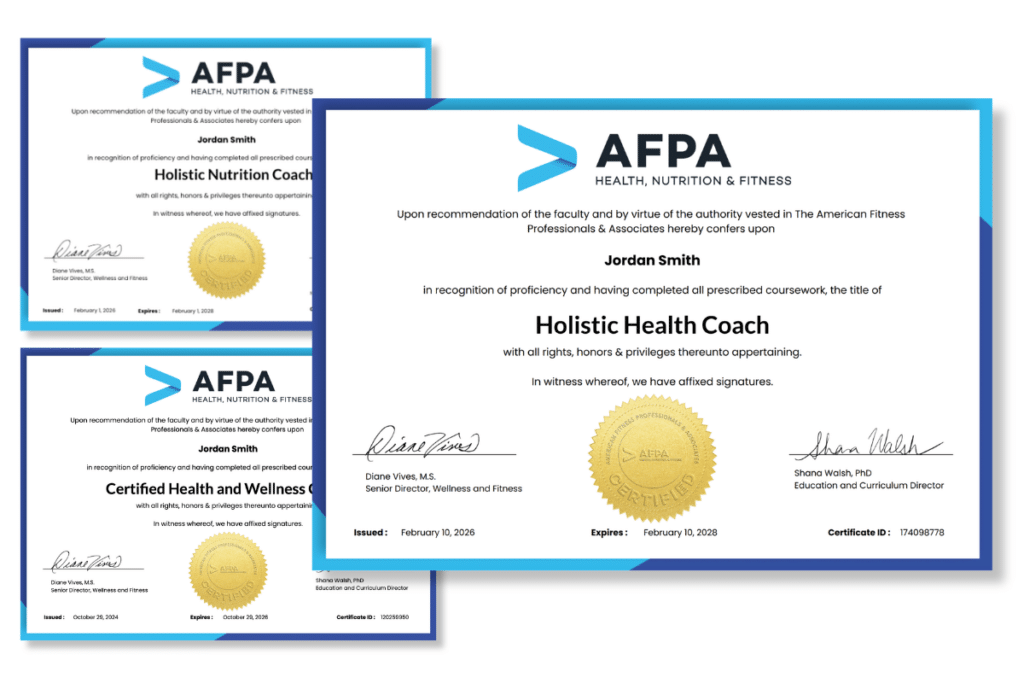
When you graduate, you’ll receive three AFPA certifications delivered through Accredible: your Holistic Nutrition Coach Certification, Health and Wellness Coach Certification plus your higher-level Holistic Health Coach credential. It’s proof of your training and a credential you can share with prospective employers and clients.

“The AFPA Health & Wellness Coach certification has been one of the most valuable investments I’ve made in my professional growth.”
“The curriculum is clear, practical, and rooted in evidence-based coaching.”
— Johnny C.
“I loved the curriculum for being scientifically grounded, yet accessible, with a strong emphasis on real-world application.”
“I also appreciate the holistic approach, blending evidence-based nutrition with lifestyle and client-centered care.”
— Dr. Hector S.
What Sets AFPA’s Holistic Health Coach Certification Apart

A Holistic/Natural Approach to Health
Take a whole-person focus to wellness, assessing all facets of an individual’s life, including diet, physical activity, mental health, and social factors.
Unbiased, Evidence-Based Curriculum
Study through a rigorously researched curriculum that challenges industry biases and sets new standards in holistic health education.
Become Board Certified
Achieve a prestigious board certification, like NBHWC or ANMAB, that boosts your credibility and professional visibility in the wellness industry.

Gain the Necessary Coaching Soft Skills and Hard Skills
Acquire a balanced skill set that includes effective communication, empathetic listening, health assessments, and program design.

Study at Your Own Pace and Fast-Track Your Impact
Flexible learning modules allow you to progress at your own speed. Take the time you need when life demands it or accelerate your learning to make a meaningful impact sooner.

Build the Expertise to Market Yourself as a Health Coach and Nutrition Coach
Gain in-demand skills in both health coaching and nutrition, giving you a competitive advantage and expanded career opportunities.

Flexibility for Your Learning Style
Access all course study materials online, so you can learn at your own pace from anywhere in the world. Modules include a mix of videos, flashcards, articles, quizzes, and simulated coaching sessions to match your preferences.

15+ Certifications to Help You Upskill Throughout Your Career
Access continuous professional development opportunities through AFPA’s wide range of certifications and specializations—from gut health to weight loss—that keep you competitive.

Join 130,000+ Certified Professionals
AFPA has provided certification and continuing education to more than 130,000 certified personal trainers, fitness instructors, health coaches, and nutrition professionals worldwide with a 98.9% satisfaction rate.
“You will not be disappointed in choosing AFPA for your study option.”
“I did my research out there, and this was hands down the best schooling experience I’ve had for on demand. The instructors are highly educated and relatable! Highly recommend!”
— Amy Butters, AFPA-Certified Holistic Nutrition Coach, Master Health and Wellness Coach
About the Course Learning Experience

- 100% online dynamic learning platform with no textbooks required
- 60+ hours of video instruction taught by leading health coach and nutrition professionals
- 100+ printable handouts including assessment forms, client handouts, and reference documents
- Interactive scenarios to help you engage with what you’re learning
- Online final exam for each course consisting of open-note multiple-choice questions
Why Choose AFPA’s Holistic Health Coach Certification?
Taught by a Team of Health and Wellness Experts

Shana Walsh, PhD, NBC-HWC, MCHES
Dr. Shana Walsh earned her PhD from Baylor University where her research focused primarily on health behavior science, and specifically the theoretical underpinnings of why people make choices that either support or hinder their health. She is a former associate professor of health education and a practicing health coach. Dr. Walsh’s professional certifications include National Board-Certified Health and Wellness Coach, Master Certified Health Education Specialist, Certified Personal Trainer, and Registered Yoga Teacher.

Stephanie Tingle, BS, NBC-HWC
Stephanie Tingle holds a BS degree in Integrative Wellness from Midwest University of Holistic Health and a Public Health Certification from Kent State University. Professionally, Stephanie has spent nearly 20 years growing her own coaching business. Personally, Stephanie has been interested in health, wellness, movement, and weight for most of her life. As a 50-year-old woman who lost nearly 130 pounds after yo-yo dieting since childhood, she understands that health is multifaceted and means something different to each client. Stephanie’s coaching focuses mainly on overall health, general well-being, and longevity.
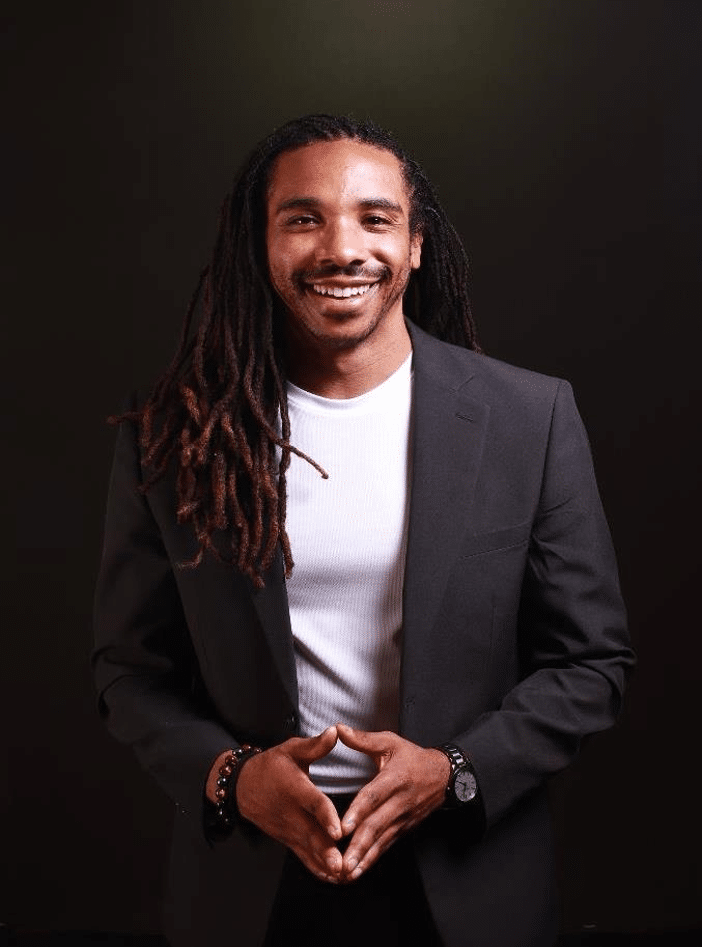
Eric L. Cox, MA, NBC-HWC
Eric Cox has over 20 years of practical experience in leadership, coaching, training, and development. He holds a master’s degree in organizational management and a bachelor’s degree in communications.
Eric is certified as a National Board Health and Wellness Coach, life coach, meditation instructor, and trainer/facilitator. His former role was as the AVP of Training and Development for American Addiction Centers. An experienced marathoner, Eric pulls from the challenges of endurance running to empower individuals to create their best lives. He is also the author of SIGN UP!:10 Interactive Lessons to Take Your Goals from the Starting Line to Across the Finish Line.

Vikki Pedigo, MSN, NBC-HWC
Vikki Pedigo is a national board-certified health and wellness coach. Prior to entering coaching full-time, she worked as a Nurse Practitioner in Women’s Health and Integrative Medicine. Vikki provided clinical health coaching and integrative medicine consults at the Osher Center for Integrative Medicine at Vanderbilt, primarily focused on patients with complex chronic pain conditions. Since 2018, she has served as core faculty in health coaching programs, developed and iterated course content, and mentored providers and coaches in the communication skills of behavior change, including motivational interviewing. Vikki will soon be launching her private coaching and mentoring practice with a focus on fostering creative living through holistic well-being. Vikki is a skilled teacher, mentor, and facilitator who loves empowering learners to use newfound skills.
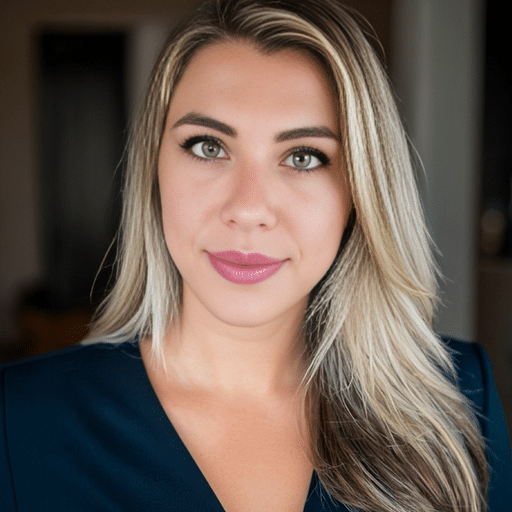
Victoria Davis, CPT, NBC-HWC
Victoria Davis has a decade of experience in corporate health coaching, fitness, wellness content development, and presenting in the health, fitness, and wellness communities. She received the “Health Coach of the Year” Award in 2018 from The Wellness Council of Arizona and was featured in AZ Central’s “Who’s Next in Health and Fitness.” Victoria’s journey of thriving with Tourette Syndrome and scoliosis fueled her mission to help others with similar stories. Victoria serves as the head of Client Success at Sworkit, a global digital fitness and movement solution, and channels her passion for helping people find enjoyable daily movement.

Rena Shoshana Forester
Rena Shoshana Forester is a professional educator, healer, and mentor. She holds two Bachelor of Science (B.S.) degrees in education, yoga teaching certifications for adults, families, and children, two trauma-informed yoga certifications, and is a certified Nutrition and Health Coach. She is currently self-employed, working as the founder of Karuna Yoga, a nonprofit organization that provides fully sponsored, trauma-informed yoga to women and children, and the owner of Wellness Edge, which develops corporate well-being programs for workforce optimization.
Rena played a key role in developing learning materials for AFPA’s Health and Wellness Coach Certification course and serves as the lead instructor for AFPA’s Yoga Instructor Certification course.

John Clary, MS, NBC-HWC
John Clary is a health and wellness coach with ten years of experience and a National Board for Health and Wellness Coaching certification (2023). He has supported hundreds of clients through one-on-one and group coaching and has presented to thousands of attendees through webinars focused on weight loss and metabolic health.
John brings a personal perspective to his work—having reversed his own Type 2 diabetes and losing 250 pounds. He holds a master’s degree from Virginia Tech and a bachelor’s degree from Ferris State University.
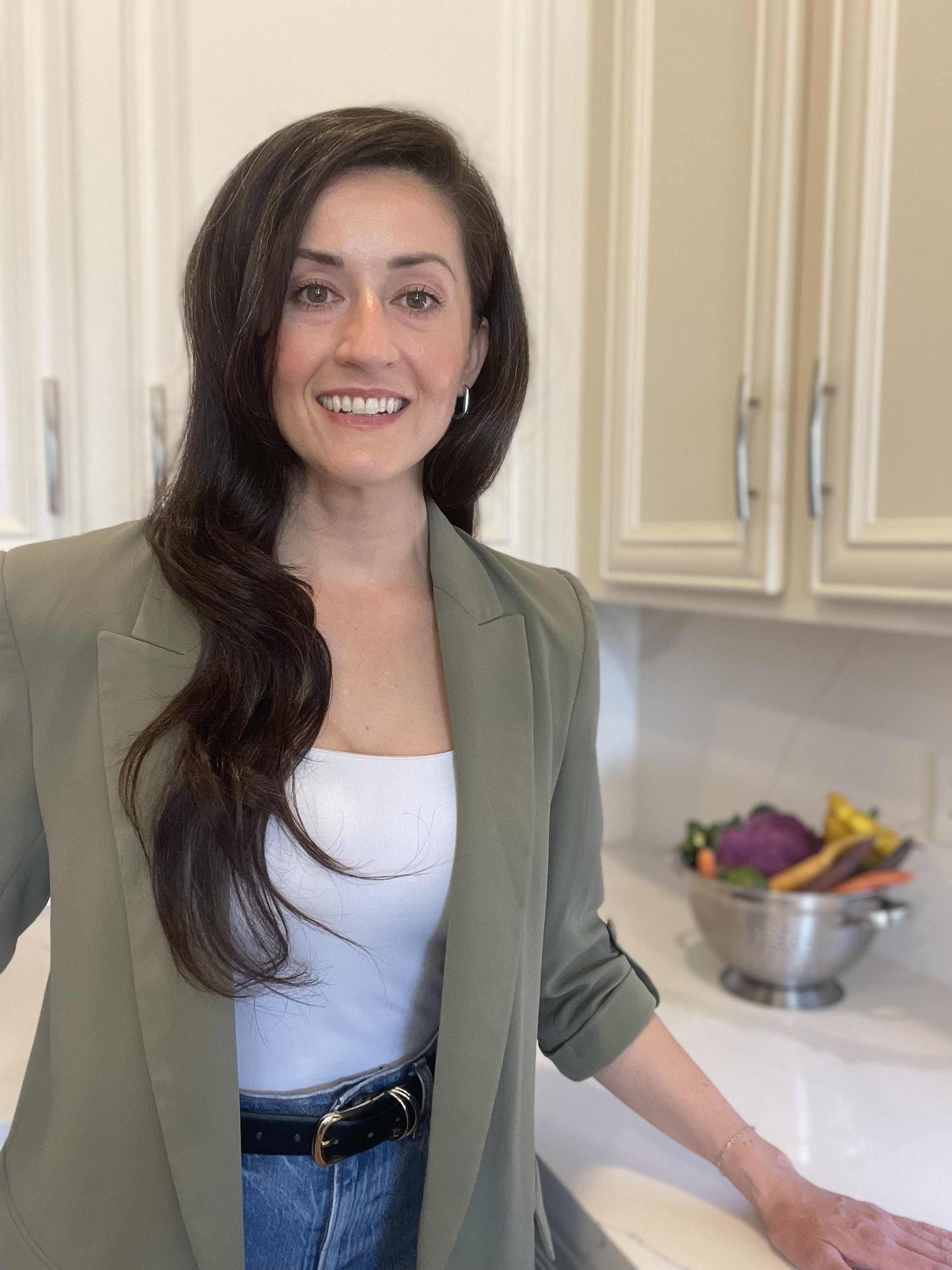
Kellie Lunday, MS, RD, LD, NBC-HWC
Kellie Lunday is AFPA’s nutrition content lead and a registered dietitian with nearly a decade of experience in corporate wellness, health education, and performance optimization. She received her MS in Nutrition from Texas Woman’s University and completed her dietetic internship at The University of Texas in Austin. Previously, she has worked in various roles at Exos and the University of Texas at Austin. She is passionate about travel, global cuisines, fitness, and advancing consumer health through evidence-based education.

Chris Mohr, PhD, RD
Chris Mohr is an internationally recognized subject matter expert and speaker on nutrition and well-being. He serves on the Men’s Fitness Advisory Board and has been a featured speaker around the globe—from Iceland to Turkey, Singapore to Indonesia, and many countries in between. Dr. Mohr has worked with some of the largest food companies and corporations, including Delta Airlines, Johnson & Johnson, Under Armour, Deloitte, and Marriott, helping them navigate the intersection of science and application among consumers. His expertise has also led him to present at the White House, CIA, and almost all 50 states in the U.S.
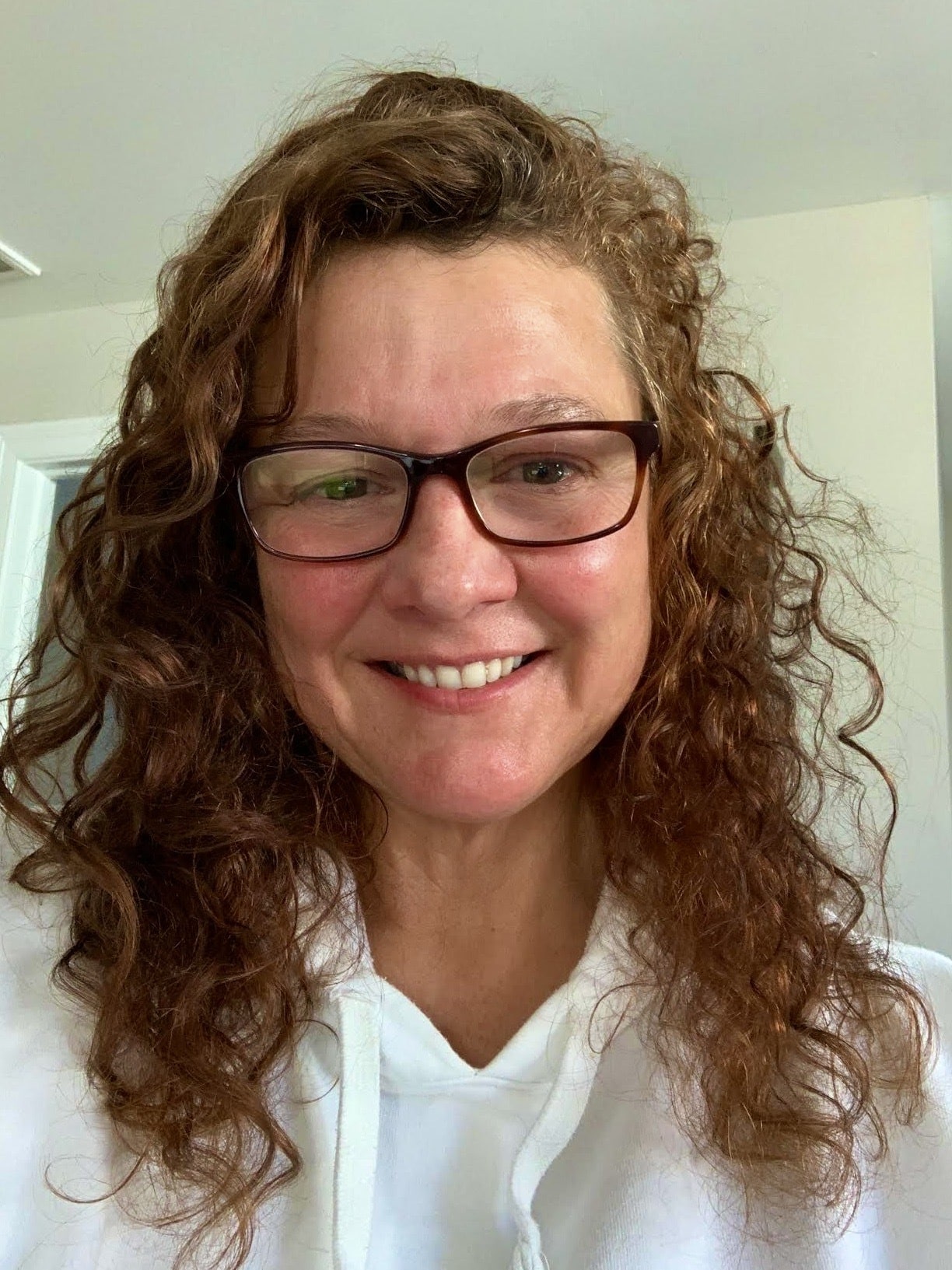
Lois Duke, MS, RD, CDCES
Lois Duke is a registered dietitian and certified diabetes care and education specialist. She holds master’s degrees in nutrition from Columbia University and in education from the Bank Street College of Education. She currently works for Nourish as a dietitian providing 1:1 telehealth and nutrition counseling. Lois has previously worked at EXOS Human Performance as a nutrition specialist supporting corporate wellness at Johnson & Johnson. With more than 20 years of experience, Lois has practiced in diverse settings including diabetes care, weight management, sports nutrition, and wellness.
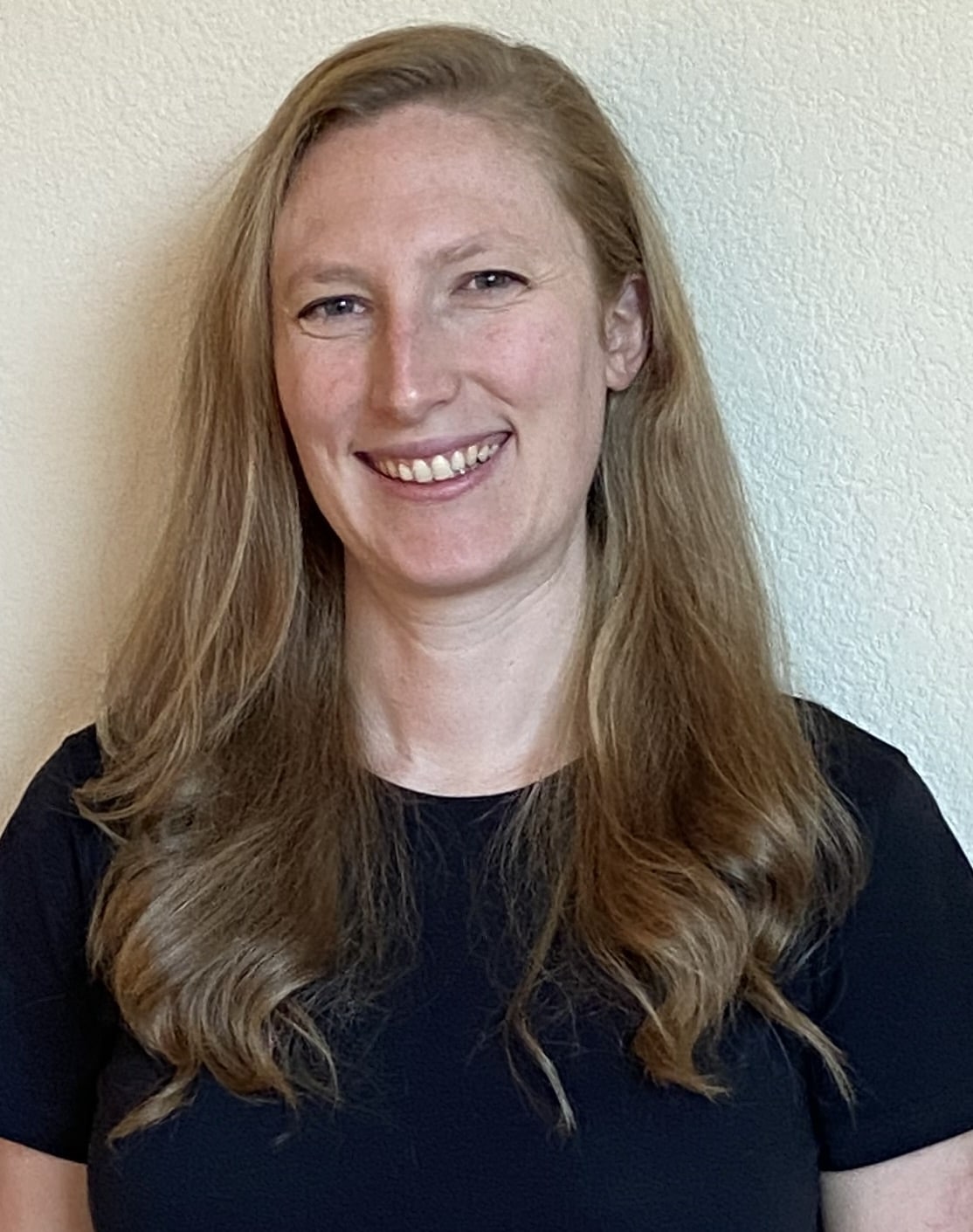
Alison Rahaeuser, MS, RD, CSSD
Alison Rahaeuser is a registered dietitian with over ten years of experience, specializing in sports, culinary, and lifecycle nutrition. She holds a master’s degree in nutrition from Boston University and is board-certified in sports dietetics. Alison began her career in clinical nutrition before transitioning into corporate wellness, where she continues to empower individuals to feel strong, confident, and realize their full potential through the power of nutrition. Outside of work, Alison enjoys hiking, swimming, and cooking new foods.

Ben Miller, MS, RD
Ben Miller is the Director of Nutrition and Dietetics at Stability Enhancement Systems (SES) as well as a Strength Coach at Dublin Scioto High School. He offers nutrition consultations, personalized meal plans, and leads SES nutrition education while leading Dublin Scioto sport performance. Ben graduated from Miami (OH) University with a bachelor’s degree in nutrition and dietetics and completed his dietetic internship at Ohio State University. He attended the University of Mississippi (Ole Miss) to complete his graduate work with a master’s degree in exercise science. Ben brings a wealth of experience to SES in dietetics and strength and conditioning after previous stints at Florida State and Ole Miss. Ben’s goal in the weight room is to help athletes uncover blind spots and create a collaborative plan between training and nutrition to accomplish goals.

Rachel Cirino, MS, RD, NBC-HWC
Rachel is a registered dietitian, NBHWC-certified health and wellness coach, and certified yoga instructor. She holds a master’s degree in nutrition and dietetics and a bachelor’s degree in psychology. With a decade of experience, Rachel has a diverse background in public health, healthcare, and her private practice. She has a passion for mindfulness as a way of learning to eat and move intuitively without rules, plans, or strict diets. Witnessing the transformative impact of personalized guidance on someone’s life fuels her to continue to empower others on their wellness journeys.
Accredited Training to Earn Board Certification
NBHWC Exam–Ready Curriculum
Together, the Health and Wellness Coach Certification and the Advanced Health Coaching Intensive [Live] (bundled together as the Certified Master Health and Wellness Coach Program) meet the education standards set by the NBHWC.
The Certified Master Health and Wellness Coach program is an Approved Health and Wellness Coach Training & Education Program by the National Board for Health and Wellness Coaching (NBHWC). Graduates of this program are eligible to apply for the HWC Certifying Examination to become a National Board Certified Health & Wellness Coach (NBC-HWC). This program incorporates mandatory updates for the 2026 national board exam, ensuring your training stays current and relevant when you’re ready to test.
CEA-100220-1
AFPA is recognized by the National Board for Health & Wellness Coaching (NBHWC) for 18 CEs upon completion of the Holistic Nutrition Coach Certification course.
The Holistic Health Coach Program fully meets the American Naturopathic Medical Accreditation Board (ANMAB) accreditation board educational requirements. AFPA graduates are eligible to apply to become a Board Certified Holistic Health Care Practitioner through ANMAB.
What Our Graduates Have to Say

Becoming certified with AFPA has completely changed my life! I could never imagine that I would be where I am now when I completed my certification! I feel so lucky to wake up every day with the opportunity to impact others physically and mentally by sharing my passion with them. It truly is a dream come true.”
The certification program changed everything in my overall life. It changed how I ate, my health, and how I help other people. It also changed my career in the health space. I liked that the information presented had studies and actually showed you the research as it was teaching you things.”
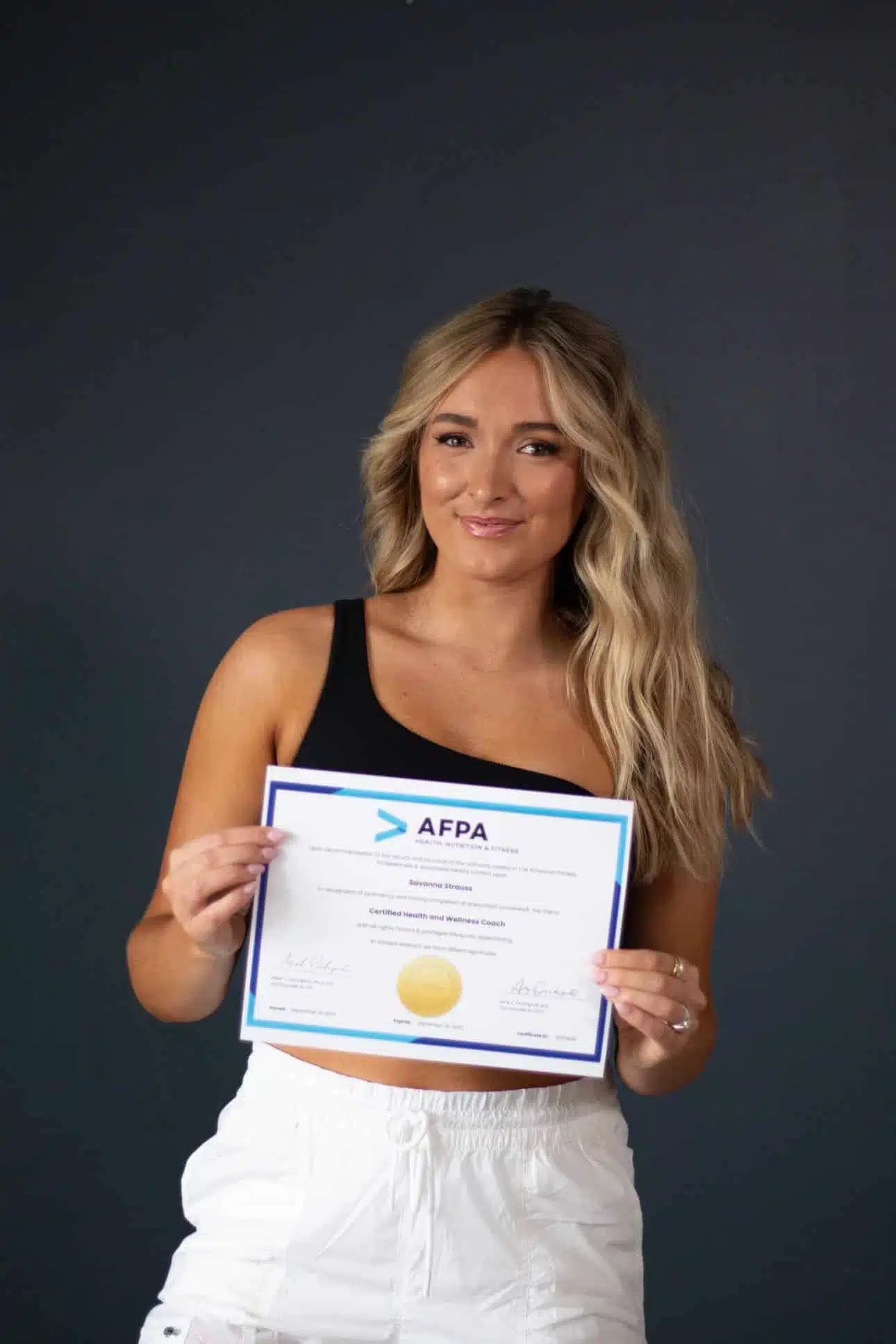
Becoming certified with AFPA has impacted my life in many ways. I have learned how to be a better coach for others and myself! I have been able to strengthen many relationships by having an education in health and nutrition and have been able to better my own lifestyle.”
Let Customers Speak for Us
 Verified owner
The classes have been great. Really informative and confidence building.
Verified ownerVerified ownerHolistic Health Coach Certification
Verified ownerOf the several such programs I explored in detail, AFPA appears to have by far the more advanced and empirically supported material. Also their customer support is unmatched— more responsive than most if not all, and that same level continues after the sale!!
Verified ownerI’m a few weeks in and the information is very helpful and I’m learning a lot
| 5 star | 79% | |
| 4 star | 17% | |
| 3 star | 4% | |
| 2 star | 0% | |
| 1 star | 0% |
FAQ
What are the qualifications to enroll in this course? Answer
To enroll in this course, you must be at least 18 years old with a solid understanding of the English language.
When can I enroll? What do I need to do in order to enroll? Answer
Whenever you want! We have a rolling enrollment for all programs, meaning that all you need to do is complete your enrollment online.
How long does it take to complete this program? Answer
You have 12 months total to complete both courses in this bundle.
The average student takes 3 months to complete the Holistic Nutrition Coach Certification and 4 months to complete the Health and Wellness Coach Certification.
If you require more time, you can request a six-month extension for a fee of $75.
How soon can I start this program? Answer
We have open enrollment, so you may enroll whenever you are ready. Shortly after completing your purchase, we will grant you access to the learning portal where you can begin your course.
Is this a bundled program? Answer
Yes, the Holistic Health Coach Certification includes the Holistic Nutrition Coach Certification course and the Certified Health and Wellness Coach course. We have bundled and discounted our signature nutrition and health coaching courses to give you a comprehensive program that includes both nutrition and health coaching education.
When you complete both courses in this program you will earn your Holistic Health Coach Certification.
Are textbooks included in my enrollment fee? Answer
Our Certified Health and Wellness Coach course and our Holistic Nutrition Coach Certification course are administered 100% online through our dynamic learning platform. Additional textbooks are not required for either course.
What additional materials will I need? Answer
Your enrollment fee includes all of your course materials, assessments, online access, student support, and online certification testing. There are no added fees.
Is there an in-person component to this course? Answer
No, this course is 100% online. You can access the online learning platform from your desktop, mobile phone, or tablet, and complete your course from wherever you are.
Is the Holistic Health Coach Certification an accredited health coach certification? Answer
Together, the Certified Health and Wellness Coaching program and the Advanced Health Coaching Intensive [Live] (bundled together as the Certified Master Health and Wellness Coach Program) meet the education standards set by the NBHWC.
AFPA’s Certified Master Health and Wellness Coach program is an Approved Health and Wellness Coach Training & Education Program by the National Board for Health and Wellness Coaching (NBHWC). Graduates of this program are eligible to apply for the HWC Certifying Examination to become a National Board Certified Health & Wellness Coach (NBC-HWC).
The Certified Health and Wellness Coach Program fully meets the American Naturopathic Medical Accreditation Board (ANMAB) accreditation board educational requirements. AFPA graduates are eligible to apply to become a Board Certified Holistic Health Care Practitioner through ANMAB.
Are payment plans available? Answer
Yes, AFPA also offers flexible payment plans to support your goals and fit your budget.
Can I speak with an Enrollment Specialist before signing up? Answer
Please email info@afpafitness.com, call 800.494.7782, or book an appointment below to speak with an Enrollment Specialist.



The classes have been great. Really informative and confidence building.
Holistic Health Coach Certification