

What Actually Causes Hot Flashes? The Science Behind Perimenopause’s Most Common Symptom
You’re in the middle of a meeting, asleep, or just standing in line at the grocery store, and suddenly heat floods through your chest and face. Your skin flushes. You start sweating. A minute or two later, it passes. Sometimes it leaves you feeling chilled afterward, as if your body swung too far in the […]

Is a Career Supporting Women Through Perimenopause Right for You?
Many women reach their 40s and start questioning parts of their life that used to feel settled: Their job, schedule, what they want their days to look like. For some, that questioning starts at the exact same time as perimenopause, and the timing isn’t a coincidence. The same transition that’s reshaping your sleep, energy, and […]

From Social Work to Health Coaching: How One AFPA Grad Built a Practice Around Burnout Prevention
Some of the most meaningful career pivots don’t come from ambition alone. They come from lived experience. For Rae, a former social worker and AFPA Certified Master Health and Wellness Coach, the shift into health coaching grew out of something deeply personal: the realization that sustainable wellness starts long before a crisis point. After years […]
Stay Connected
Get immediate access to AFPA’s most recent health and wellness insights, exclusive offers and groundbreaking tips to help you become the trusted health, fitness or nutrition professional.

Questions to Ask Before Choosing a Health Coaching Certification Program
Deciding to become a health coach is a significant investment of your time, energy, and financial resources. It’s important to make the education you receive actually prepares you for the realities of the job. Whether you are looking for health coaching jobs in a clinical setting or planning to launch a private practice, the quality of your training matters. To help you navigate this […]

How Coaches Balance Client Work and Continuing Education
“What set me apart over 20+ years as a trainer and business owner was my commitment to keep learning. Education made me a better coach, a stronger leader, and a more trusted professional. If you want to grow your impact, serve clients at a higher level, and stand out in a crowded field, invest in your […]
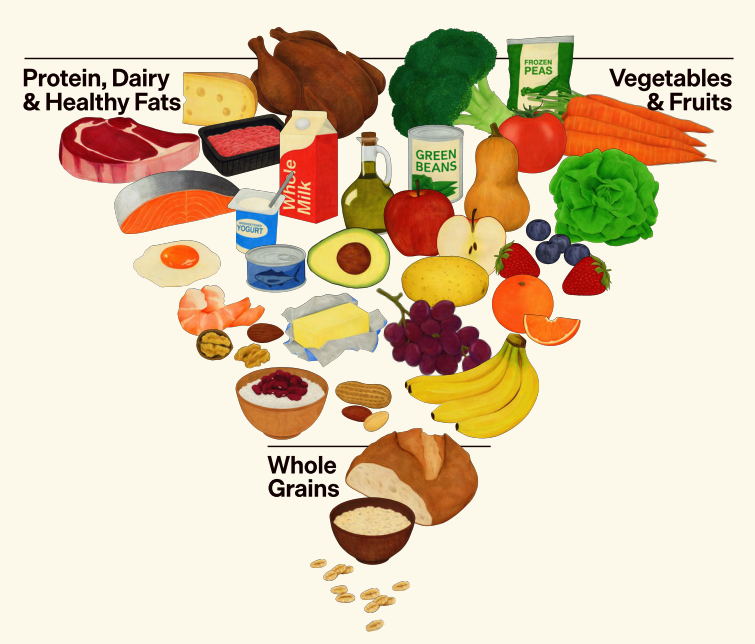
What You Should Know About the 2025-2030 US Dietary Guidelines
Every five years, the federal government releases updated dietary guidelines for Americans based on the latest available evidence. These guidelines shape national nutrition policy, school meal programs, public health initiatives, healthcare recommendations, and food assistance programs across the country. The new 2025-2030 Dietary Guidelines for Americans introduce what the report calls a “significant reset” in federal nutrition policy, with […]

Why Coaching Skills Matter More Than Personal Records for Personal Trainers
Walk into any gym and you will see it. The fittest person in the room often draws attention. Defined muscles, impressive lifts, a list of personal records that turn heads. It is easy to assume that those accomplishments automatically make someone an exceptional personal trainer. But clients don’t hire you to admire your achievements, they hire you to change […]
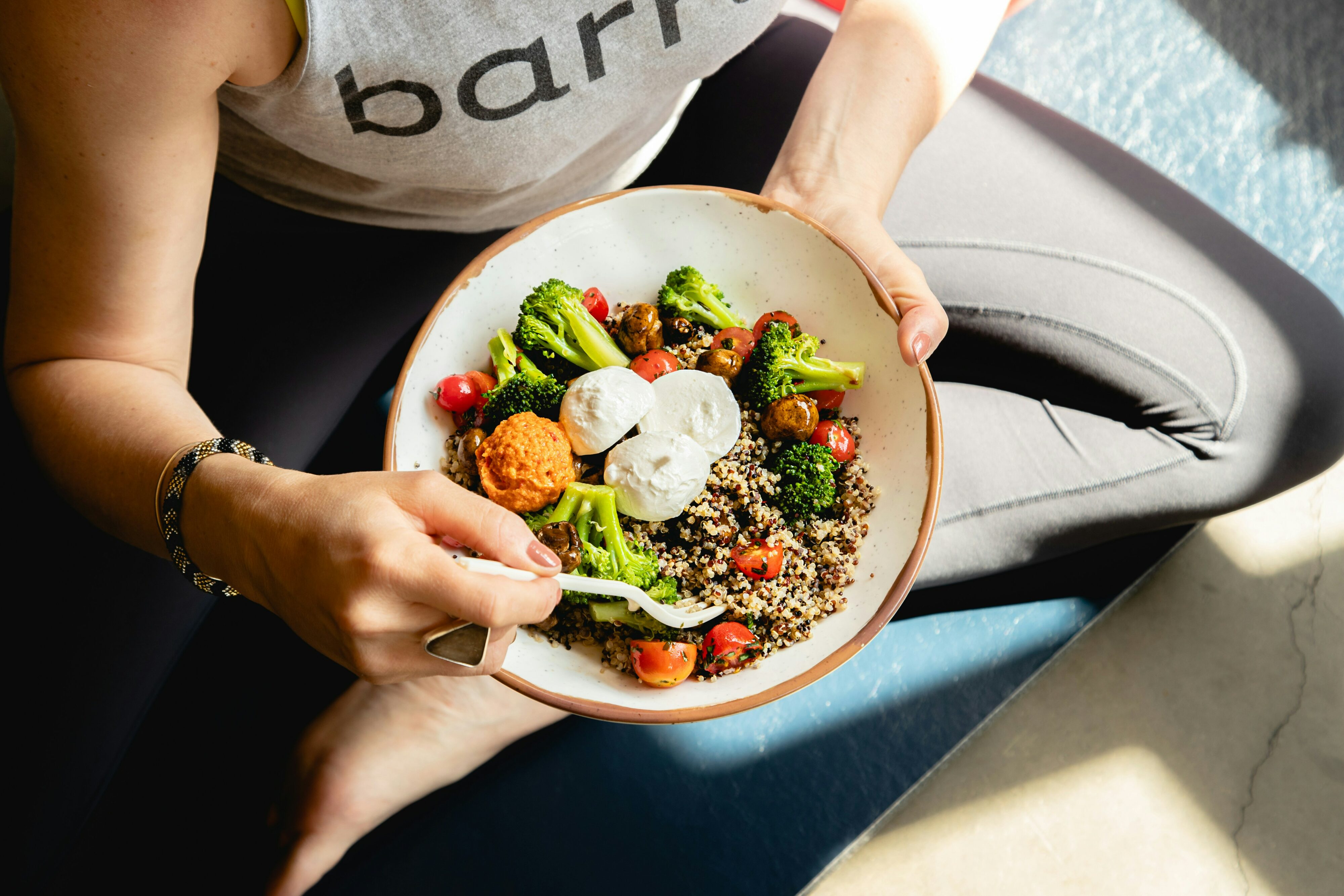
How to Support Clients Without Providing Medical Nutrition Therapy
Supporting clients through nutrition and lifestyle change is meaningful, impactful work. It is also work that comes with responsibility. As a nutrition professional or health coach, your role is not to diagnose, treat, or cure disease. Your role is to educate, guide, and support behavior change within a clearly defined scope of practice. When done well, this […]
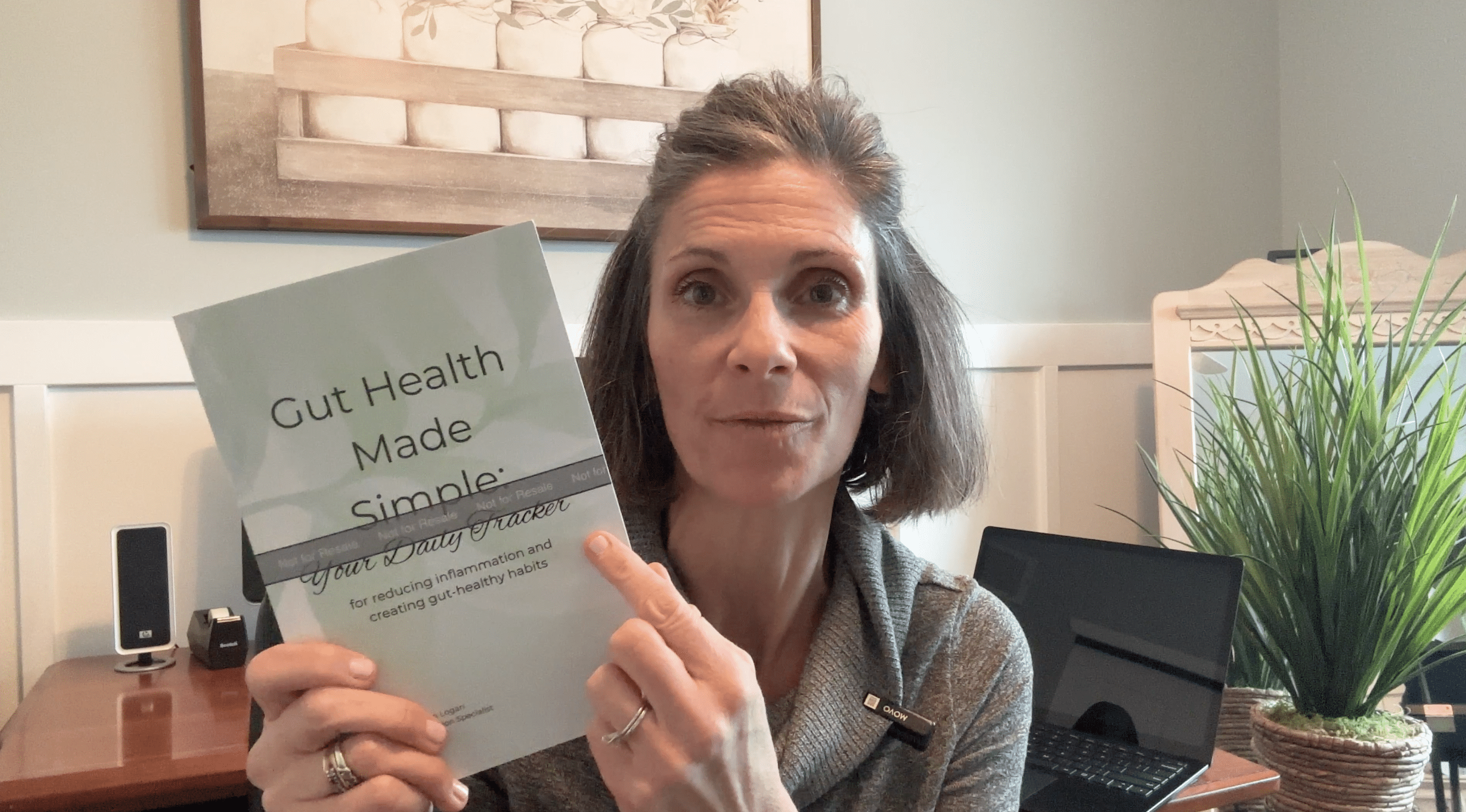
From Certified to Published: How One AFPA Grad Turned Her Credentials Into a Book
A lot of AFPA students and grads have incredible knowledge, real client wins, and a passion to impact more people. What they don’t always have is a simple way to turn that value into something clients can use again and again, even outside of sessions. That’s where publishing can be powerful, not as a huge […]

The Role of a Holistic Nutrition Coach in Supporting Healthy Eating
Most people who decide to improve their eating habits are not looking for a complicated plan, a rigid set of rules, or a short burst of motivation. They are looking for something more meaningful. They want guidance that sees the full picture of their health and treats food as one part of a much larger […]