Last updated on May 21, 2025
Understanding the Gluten-Free Boom
Gluten-free diets have moved from niche necessity to mainstream trend. In 2023, the global gluten-free food market reached a value of over $7.5 billion, and it’s projected to grow to nearly $14 billion by 2032, according to New Hope Network. This explosion in demand has been fueled not only by people with celiac disease or gluten sensitivity but also by wellness-driven consumers who associate gluten-free with clean eating.
But with popularity comes confusion. What began as a medically necessary way of eating has often been co-opted by clever marketing. While increased awareness around food sensitivities is a good thing, not all gluten-free products live up to the health halo they’ve been given. Understanding the nuance behind gluten-free labeling and product formulation can help consumers make better decisions and avoid common pitfalls.
Who Should Be Gluten-Free?
For people with celiac disease, consuming gluten can cause serious intestinal damage, nutrient malabsorption, and systemic health issues. Non-celiac gluten sensitivity (NCGS) affects a growing number of individuals who report symptoms like bloating, fatigue, and brain fog after eating gluten-containing foods, despite testing negative for celiac disease.
For these populations, following a strict gluten-free diet is essential. However, for others, the decision to go gluten-free may stem from a desire to reduce inflammation, improve energy, or explore new dietary options. These are valid motivations—but going gluten-free doesn’t automatically lead to better health unless the diet is balanced and thoughtfully planned. Without proper guidance, it may even lead to nutritional deficiencies, particularly in fiber, iron, and B vitamins.
What the Labels Don’t Tell You
As demand for gluten-free products has surged, so has the number of ultra-processed foods bearing the “gluten-free” label. Walk into any major grocery store, and you’ll find gluten-free cookies, chips, donuts, frozen pizzas, and snack bars prominently displayed. But many of these foods contain added sugars, hydrogenated oils, refined starches, and preservatives—ingredients that can undermine the very health goals that led someone to choose gluten-free in the first place. In fact, a 2020 review published in the journal Nutrients found that gluten-free processed foods often have a higher glycemic index and fewer nutrients compared to their gluten-containing counterparts. The perception of healthfulness doesn’t always match the nutritional reality.
The Psychology of “Health Halos”
Marketing plays a major role in how consumers perceive gluten-free products. This is known as the “health halo effect”—when one positive attribute (like being gluten-free) leads us to believe a food is healthier overall. It’s the same logic that causes people to assume organic cookies are lower in sugar or that “natural” soda is better than regular soda. These assumptions can lead to overconsumption of products that are still high in calories, low in nutrients, or both. It’s not uncommon for people to switch to gluten-free snacks believing it will support weight loss or energy levels, only to experience the opposite. This doesn’t mean gluten-free is inherently bad—it means we need to apply the same level of critical thinking to those labels as we would to anything else on the shelf.
Back to the Basics: Whole Food First
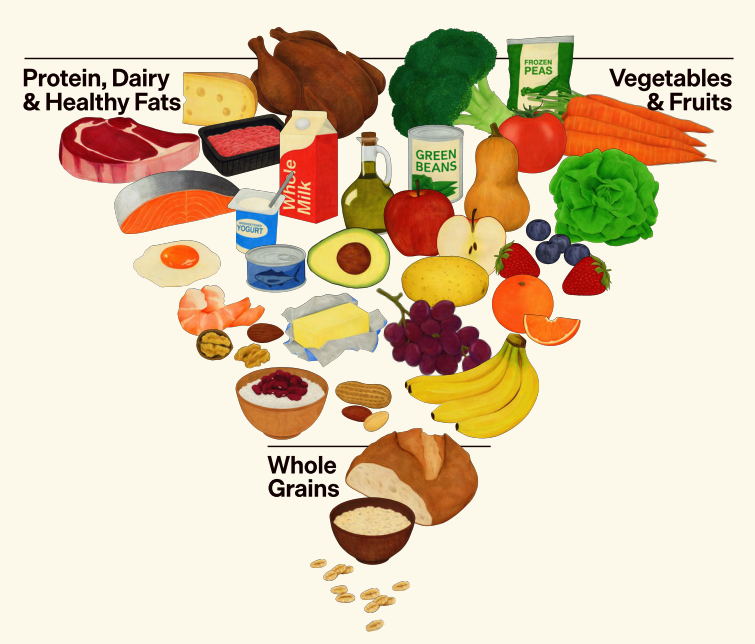
The safest and most beneficial way to eat gluten-free—whether out of necessity or choice—is to focus on whole, naturally gluten-free foods. Fruits, vegetables, legumes, eggs, lean meats, fish, nuts, seeds, and gluten-free whole grains like quinoa, brown rice, and buckwheat all provide essential nutrients without the additives found in many packaged products.
This approach is aligned with the Dietary Guidelines for Americans, which emphasize whole food consumption over processed food intake. When you eat mostly unprocessed foods, you automatically avoid not just gluten, but also many common additives and inflammatory ingredients. Plus, it gives you the chance to experience the full flavor and vibrancy of real food, which can make healthy eating more enjoyable and sustainable in the long term.
Special Occasions and Balance
Let’s face it—food is more than just fuel. It’s part of celebration, connection, and comfort. And yes, there are times when a gluten-free cookie at a birthday party or a slice of gluten-free pizza on a Friday night fits into your life. That’s okay. The key is understanding that these foods are treats, not staples.
If you’re aiming to use food to support your energy, mood, digestion, or weight, gluten-free should still follow the same basic nutrition principles as any other approach: prioritize whole foods, be mindful of portions, and enjoy processed foods occasionally—not as the foundation of your diet. Creating room for balance helps reduce food anxiety and promotes a more sustainable relationship with eating.
Tips for a Smarter Gluten-Free Lifestyle
If you’re navigating a gluten-free lifestyle—whether for medical or personal reasons—here are a few strategies that can help you stay empowered, nourished, and confident in your choices:
- Shop the perimeter of the store, where whole foods are more likely to be found.
- Read ingredient labels, not just the front of the box.
- Cook more meals at home to control ingredients and portions.
- Try one new naturally gluten-free grain each week (like millet, sorghum, or teff).
- Add color to your plate through a variety of vegetables and fruits.
- Focus on what you CAN eat, rather than what you’re avoiding.
Remember, it’s not about perfection—it’s about progress. Every small step toward better food awareness counts.
Final Thoughts: Empowered Choices Over Marketing Hype
Gluten-free isn’t a fad or a gimmick—it’s a valid and necessary path for millions of people. But like any dietary shift, it requires education, intention, and self-compassion. Choosing gluten-free should be about nourishing your body, not chasing trends or marketing hype.
As the market continues to evolve, your best tools will always be curiosity, discernment, and a return to the basics. Eat whole foods most of the time, make space for flexibility, and ask questions when something seems too good to be true.
If you’re passionate about helping others navigate nutrition with confidence and care, explore our Holistic Nutritionist Certification. This 100% online course offers the most up-to-date nutrition curriculum with a whole-body, holistic approach to eating, plus real-life coaching skills.
Take a Peek Inside AFPA’s Holistic Nutrition Coach Certification
Curious what it’s really like to study holistic nutrition at a professional level? Get the free course preview and see the actual learning modules, frameworks, and real-world coaching applications that prepare AFPA graduates for success.