
#30YearsStrong
It's Our Birthday! Save an Extra 30%
Celebrate our milestone with incredible savings on leading health coaching, nutrition, and fitness courses.

Becoming certified with AFPA has completely changed my life! I could never imagine that I would be where I am now when I completed my certification! I feel so lucky to wake up every day with the opportunity to impact others physically and mentally by sharing my passion with them. It truly is a dream come true.”

AFPA instantly gives you credibility and is super well respected in the industry. Clients know that if you have that certification, that they’re getting credible, reliable information. I also chose AFPA because of the course structure. With the courses, you get to make your own schedule and it’s perfect for anyone who may have another job, is going to school, or has a family.”

The main thing I absolutely loved about this course was that it was completely self-paced, so I was able to do everything on my own schedule in just under 6 months. The other thing that I absolutely loved is that it really covered all aspects of holistic health (known as the 7 dimensions of wellness)—from physical, emotional, cultural, spiritual, occupational, social, and intellectual wellness.”
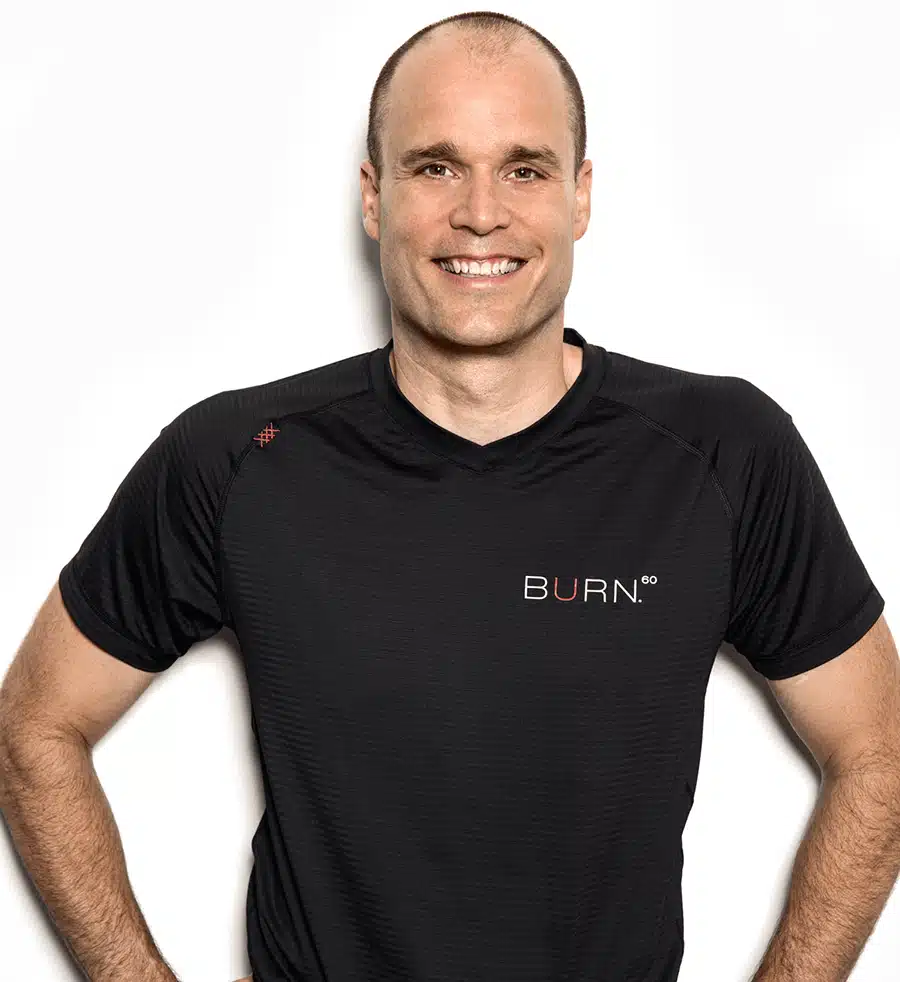
I looked at a lot of certifications out there. You name it, I’ve looked at it, but AFPA stood out to me. They’re out-of-the-box thinkers and so am I. The certification process was fairly easy, it was very effective, and fun to learn.”
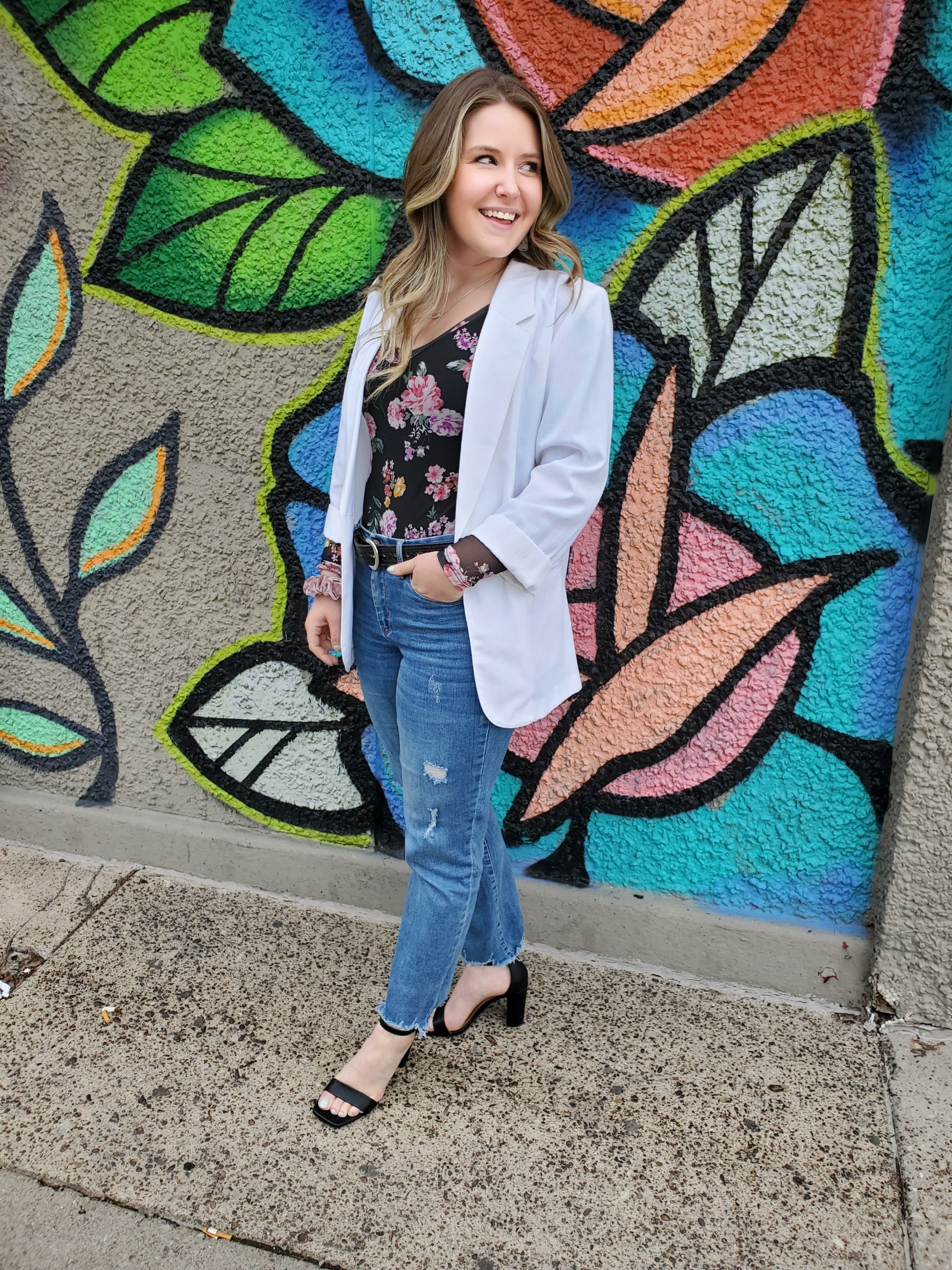
Becoming certified with AFPA has given me the knowledge and confidence to take my life down a completely new path. It was the catalyst for starting my businesses and beginning a coaching journey. It still amazes me almost every day that my job is to literally help people live a healthier, happier life. In addition, the way my own habits have improved continues to impact my well-being. ”

I searched left and right for something that was accredited, affordable, and was really extensive. I found AFPA, which checked all those boxes and then some. I loved that they have been around for [so long]. It was great that the certification was flexible and I could still homeschool my kids while studying.”

The reason I chose AFPA is because of the recognition that they have worldwide, designed by experts in their fields, so I felt very comfortable choosing them. The certification has been very beneficial in my career. I’m now able to attract more clients because of the certification behind my name.”
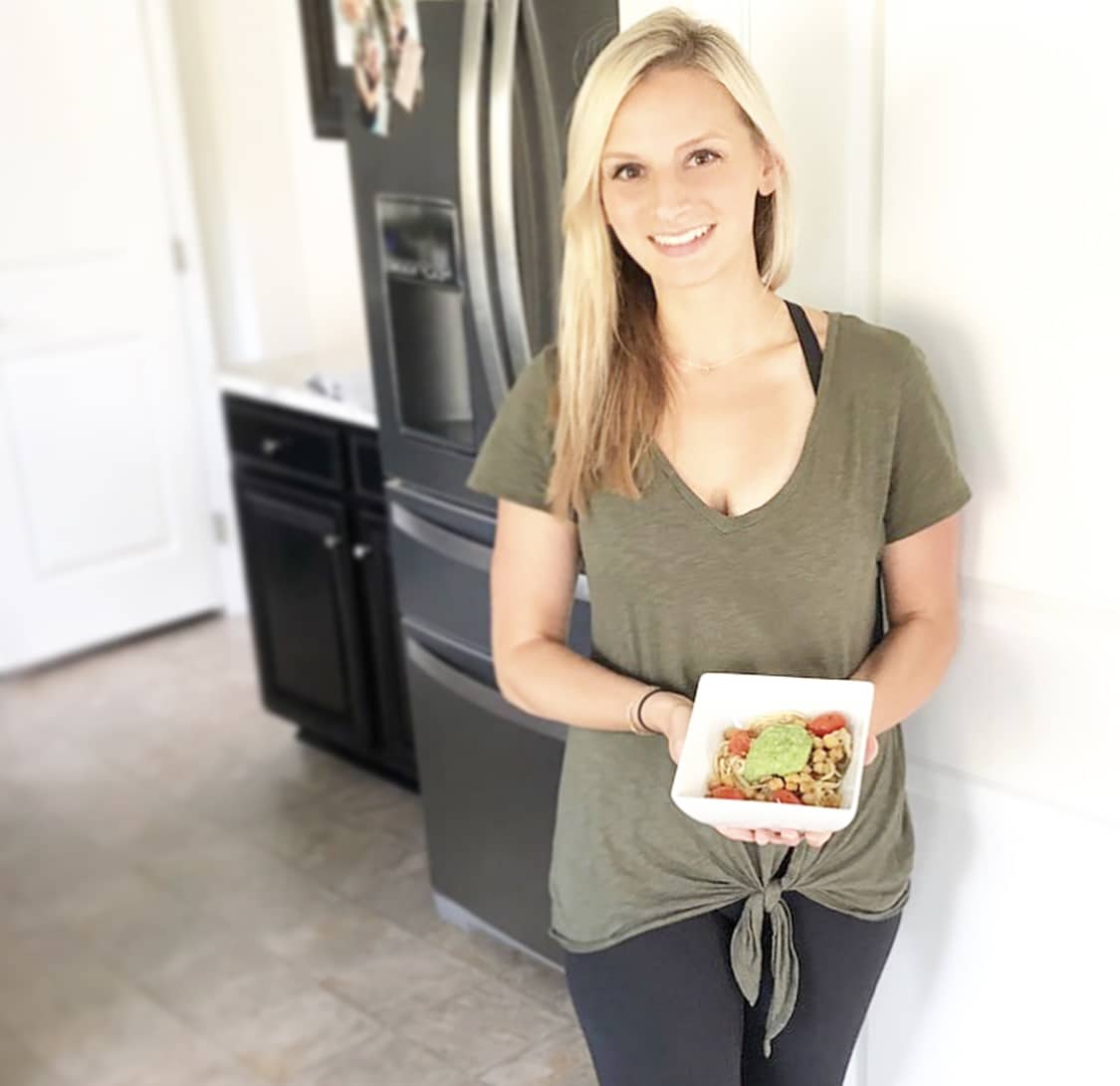
The certification program changed everything in my overall life. It changed how I ate, my health, and how I help other people. It also changed my career in the health space. I liked that the information presented had studies and actually showed you the research as it was teaching you things.”

What I loved most about getting certified with AFPA is that it really opened the opportunities for my long career, and it gave me direction.”
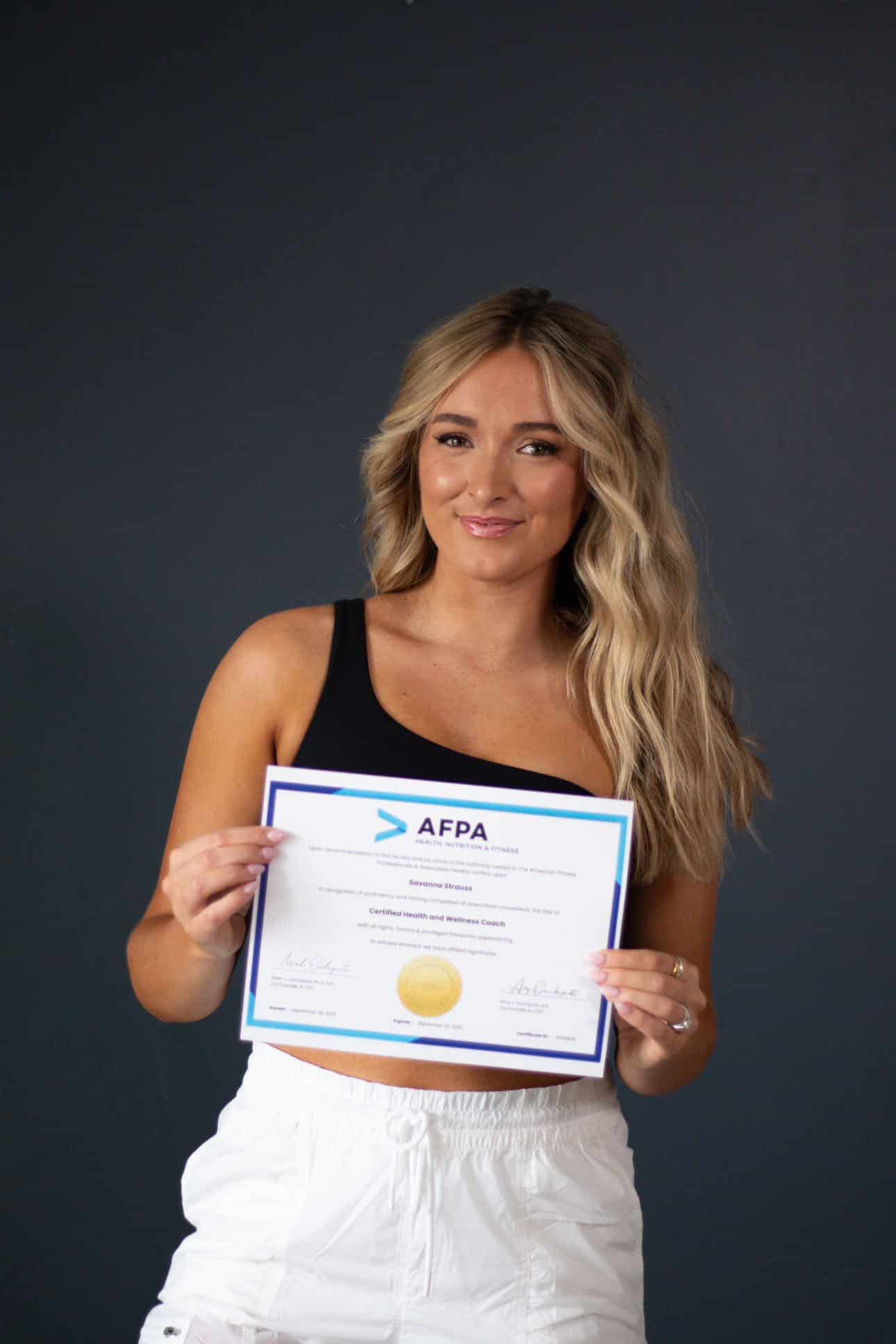
Becoming certified with AFPA has impacted my life in many ways. I have learned how to be a better coach for others and myself! I have been able to strengthen many relationships by having an education in health and nutrition and have been able to better my own lifestyle.”
The way my life has changed after getting the certification is like a complete 180, honestly. I definitely could not have counseled people the way I do now without AFPA. I was surprised the most when I just realized really how much I was learning. I knew I was going to learn a lot, and that there were so many different curriculum topics, but at the end of it, I learned even so much more than I expected.”
AFPA feels like more of a family. I can always email or reach out if I have any questions and I get a response immediately. It’s a very caring organization. I’ve been certified with other organizations and that’s not always the case.”
Discover Our Best-Selling & New Certifications & Courses
AFPA, American Fitness Professionals & Associates, provides quality holistic and evidence-based programs designed by experts to meet you where you are and fast-track your impact in the wellness space.
INDUSTRY-LEADING SUCCESS AND RECOGNITION
130000+ students certified
30+ years of excellence in education
30+ certification programs offered
98.9% student satisfaction
Create Your Own Path | Explore Our Extensive Programs and Certifications
We care about the unique and nuanced path to health and wellness for every person. Get a comprehensive education and the tools to guide others on their journey to well-being now.
The robust, all-in-one education provider dedicated to turning your dream career into reality
Our health coaching, nutrition, and fitness certification programs are tailored to suit anyone’s schedule. In just 6 months or less, you can become certified on your own time, from anywhere in the world.

High-quality holistic and evidence-based curriculum
Wellness is different for each person. That’s why we take an integrative approach. Our curriculum is evidence-based and filled to the brim with up-to-date scientific research but is also nuanced and holistic.

Inspire others to lead healthier lives
Motivate, inspire, and transform the lives of others by helping them achieve and maintain optimal health with the guidance of proven coaching methods.

Earn an income living your passion
Whether you want to land your dream job or are working to start or grow your own business, you can turn your love for helping others into a lucrative career.

Program flexibility
Study for your certification at your own convenience. Our programs are self-paced and online, which allows you to fit them into your schedule.

Low-risk financial investment
We offer some of the best and highly-respected, non-degreed training programs in health, wellness and nutrition education with minimal financial commitment and payment plan options with as low as 0% APR financing.

International recognition
AFPA has received and continues to pursue numerous international accreditations and recognitions from third-party accrediting organizations.
“Wellness is now a $3.72 trillion industry, making it one of the world’s fastest-growing, most resilient markets. The growth trajectory of the wellness industry appears unstoppable.”
The Global Wellness Institute
AS SEEN IN THESE GREAT PUBLICATIONS






With over 2000+ 5 star reviews, AFPA continues to produce countless satisfied graduates into successful health, nutrition, and fitness professionals. Here’s what they have to say…